The most overlooked part of your pivot could be costing you water, power and performance
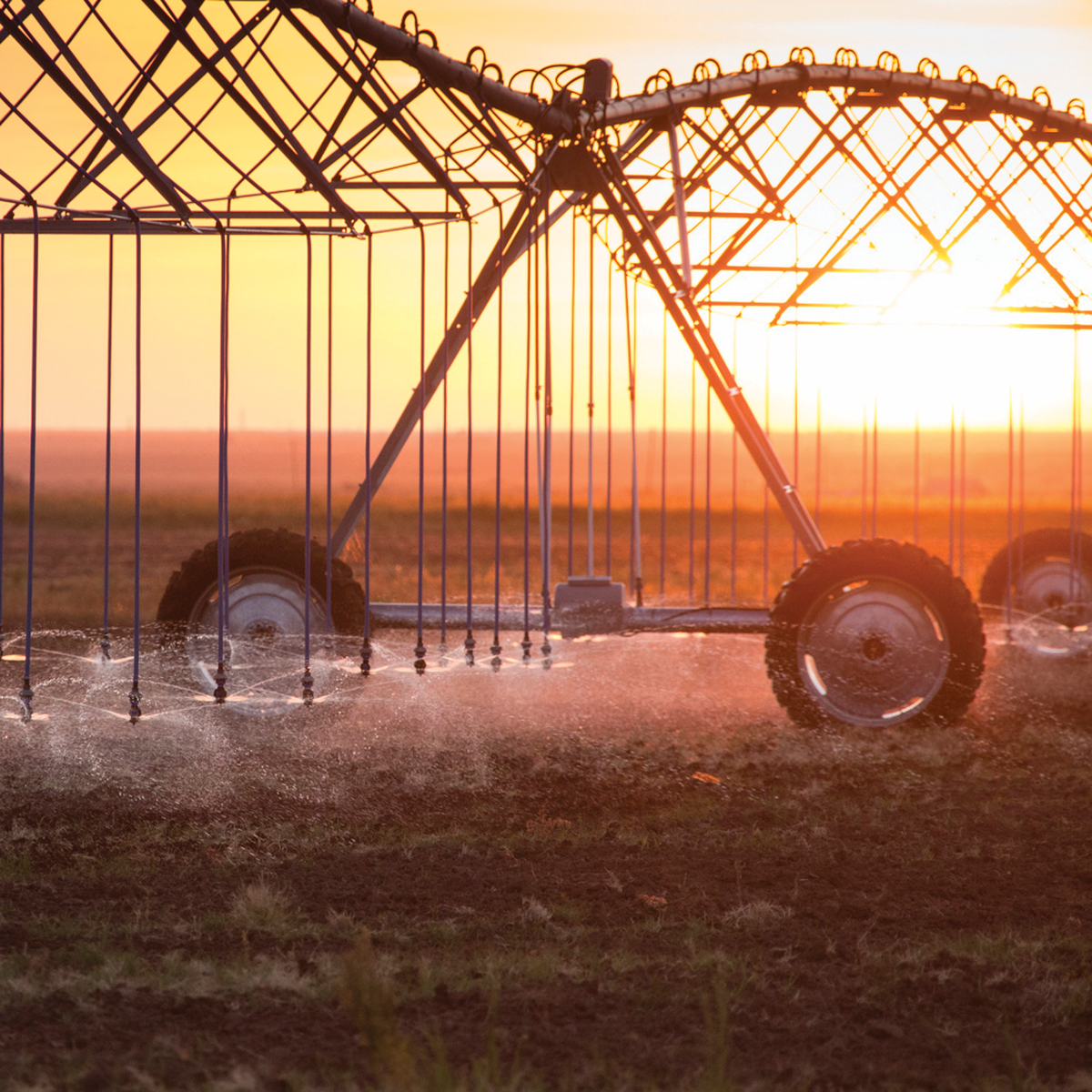
A pivot sprinkler pack controls how water is actually applied to your soil and crop. If sprinklers, regulators or nozzles are worn, outdated or mismatched, your machine may still move well but apply water unevenly. Reviewing and upgrading the sprinkler package can improve uniformity, reduce runoff, lower pressure requirements and help get better value from every millimetre applied.
When farmers think about irrigation upgrades, the big-ticket items usually come to mind first. Pumps. Control panels. Telemetry. Variable rate systems. Sometimes even replacing the whole machine.
But the part that physically applies water to the paddock, the sprinkler pack, is often left too long.
Many sprinkler packages operating across New Zealand were designed 10, 15 or even 20 years ago. Some are still doing the job, but they’re not necessarily doing it as well as they could. In that time, sprinkler technology has moved on, with better options now available for application uniformity, infiltration, pressure management and energy performance.
For a lot of farms, upgrading the sprinkler pack is one of the most cost-effective ways to improve pivot performance before the next irrigation season.
Why sprinkler packs need reviewing
Every sprinkler package contains wearing parts.
Over time:
- Sprinkler bodies and plates wear
- Pressure regulators lose accuracy and response
- Nozzles become worn, damaged or incorrectly replaced
- Sprinklers get swapped during the season with whatever is on hand
- System pressure and flow can change from the original design
None of these issues always looks dramatic on its own. The pivot still moves. Water still comes out. The crop still gets irrigated.
But small changes across dozens or hundreds of sprinklers can add up. The result can be poorer distribution uniformity, more runoff, higher pumping costs and less confidence when irrigation performance is assessed.
Most farmers wouldn’t run worn tractor tyres for years without checking them. Yet sprinkler packs often get far less attention, even though they’re responsible for applying every litre of irrigation water.
What triggers a sprinkler pack upgrade?
There are a few common reasons farmers contact WaterForce for a sprinkler package review.
Irrigation assessment results
Catch-Can testing and irrigation performance assessments often identify areas where application uniformity could be improved.
A review may show that the existing sprinkler pack is no longer matching the machine, soil type, pressure or flow as well as it should. In some cases, the assessment confirms what the farmer already suspected. The water is going on, but not as evenly as it needs to.
FEP and compliance requirements
Farm Environment Plans have put more focus on efficient water use and good irrigation practice.
A sprinkler package review can help support FEP outcomes by improving how water is distributed across the paddock. Better uniformity can reduce overwatering in some areas and under-watering in others, which is important for both production and environmental performance.
Rising energy costs
Older sprinkler packages often require higher operating pressure than newer low-pressure technologies.
Where the system allows it, a modern sprinkler package may reduce pressure requirements while still improving irrigation performance. That can help reduce pumping costs, especially across large areas or long irrigation seasons.
Changing crops or farming systems
A sprinkler pack that suited one farming system may not be the best fit forever.
Changes in crop type, pasture management, stocking rate, soil condition or irrigation scheduling can all justify a fresh look at sprinkler selection. What worked well 15 years ago may not suit the way the farm is managed today.
Ageing equipment
Sometimes the simplest reason is the right one. The gear is worn.
If sprinklers, regulators and nozzles are reaching the end of their useful life, replacement may deliver better value than ongoing patch-up repairs. It also gives the opportunity to redesign the package rather than just replace old parts with the same old setup.
What does a sprinkler pack review involve?
At WaterForce, a sprinkler pack review is about looking at the system properly, not just swapping parts like-for-like.
A typical review may include:
- Checking the existing machine specifications
- Reviewing operating pressures and flow rates
- Assessing sprinkler, regulator and nozzle condition
- Looking at irrigation assessment or Catch Can results where available
- Considering soil type, crop needs and infiltration rates
- Reviewing pumping pressure and energy use
- Recommending suitable replacement sprinkler technology
Every machine is different. Soil, slope, crop, water quality, pressure, machine length and nozzle spacing all matter.
That’s why a good sprinkler upgrade should be designed. The goal is to match the sprinkler package to the job the pivot is being asked to do now, not the job it was designed for 10 or 20 years ago.
Choosing the right sprinkler technology
WaterForce works with leading irrigation sprinkler manufacturers, including Nelson Irrigation® and Hunter Ag / Senninger®.
Nelson Irrigation®
Nelson Irrigation® products are widely used across New Zealand pivot and lateral systems. They’re well known for low-pressure sprinkler technology, strong application uniformity and reliable performance across a range of farming conditions.
For many farms, Nelson sprinkler solutions can help improve water placement, reduce runoff risk and support efficient irrigation at lower operating pressures.
Hunter Ag / Senninger®
Hunter Ag / Senninger® sprinkler technologies also offer a broad range of pivot and lateral irrigation options.
Senninger products are commonly used where farmers are looking to improve distribution uniformity, reduce wind drift, manage application rates and make better use of available pressure.
The right option depends on the machine, crop, soil, water source and performance goals. There’s no one-size-fits-all answer, and that’s exactly why the review matters.
What benefits can farmers expect?
A well-designed sprinkler package upgrade can deliver practical gains across the whole irrigation system.
Benefits may include:
- Improved water application uniformity
- Better infiltration into the soil profile
- Reduced runoff and ponding
- Lower instantaneous application rates
- Reduced wind drift losses
- Lower operating pressure requirements
- Reduced pumping and energy costs
- Improved crop and pasture performance
- Better irrigation assessment outcomes
- Stronger support for FEP and compliance requirements
The biggest benefit is confidence.
When the sprinkler pack is right, farmers can be more confident that the water they’re applying is landing where it should, at the right rate, and with less waste.
Start with the basics
Irrigation technology keeps moving. Remote monitoring, telemetry, variable rate irrigation and automation all have an important place.
But the foundation is still simple.
Apply the right amount of water, evenly, across the full irrigated area.
For many farms, the quickest and most cost-effective improvement is not a new pivot. It’s reviewing and upgrading the sprinkler pack that’s already on it.
Winter is the right time to do it. There’s time to assess the machine, review the options, order the right parts and complete the upgrade before the pressure comes on again next season.
Talk to WaterForce about a sprinkler pack review
WaterForce works with farmers across New Zealand to review existing pivot and lateral sprinkler packages and recommend practical upgrade options using proven Nelson Irrigation® and Hunter Ag / Senninger® technologies.
Talk to your local WaterForce irrigation specialist about a sprinkler pack review before next irrigation season.