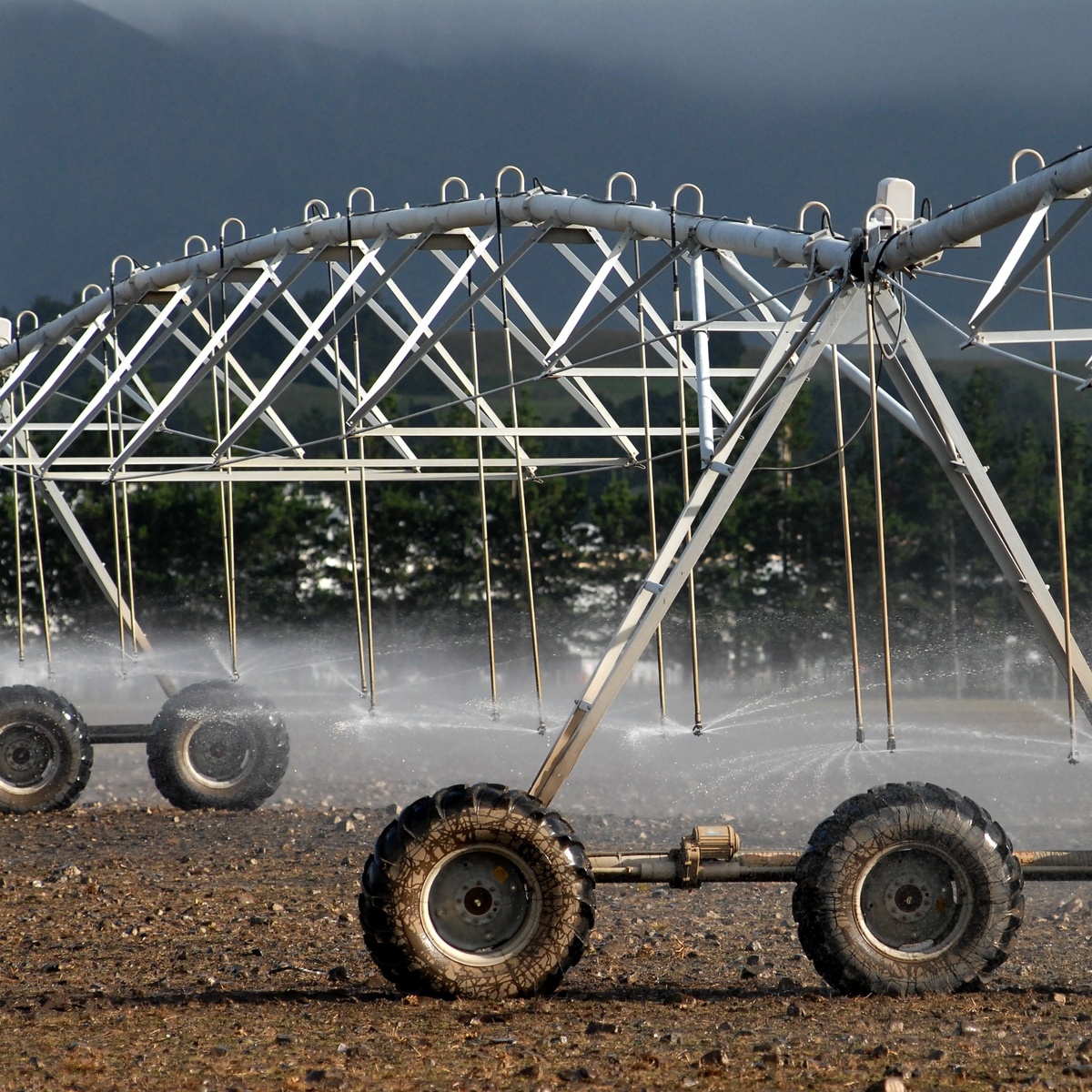
A centre pivot is a major investment, but an ageing pipeline doesn’t alwaysmean the whole irrigator needs to be replaced.
In many cases, the towers, drive system and structural components still have years of useful life left in them. Replacing the main water pipe can give the existing machine a second life, without the cost and disruption of starting again with a completely new irrigator.
WaterForce teams have become highly efficient at repiping centre pivots across New Zealand. With good planning, the work can extend the life of a proven irrigation asset and provide many more seasons of reliable service.
Is repiping an irrigator worth it?
Repiping can be a sensible, cost-effective way to extend the working life of a centre pivot when its structure and mechanical components remain in good condition. By replacing the main water-carrying pipeline, farmers can retain much of their original asset, address ageing pipework and keep irrigating reliably for years to come.
The key is to assess the condition of the whole machine rather than making a decision based on the pipeline alone.
Sometimes a repipe is clearly the right option. In other situations, the cost of additional repairs or upgrades may mean a complete irrigator replacement offers better long-term value.
That’s why the first step should be a practical assessment of the machine,its operating history and the farm’s future irrigation requirements.
What does repiping a centre pivot involve?
Repiping, or re-piping, involves replacing the main pipe that carries wateralong the length of the irrigator.
The existing towers and other serviceable structural components are retained. The old pipeline is removed and replaced, allowing the irrigator to continue operating without replacing the entire machine.
It sounds straight forward, but there’s more to a good repipe than swapping one pipe for another.
The project also provides an opportunity to check:
· The condition of the pivot structure
· Tower alignment and drive components
· Drain valves and pipe fittings
· System pressure and flow requirements
· The condition and suitability of the sprinkler package
· Controls, telemetry and remote monitoring
· Whether the existing pipe diameter remains suitable
Our teams have refined the repiping process through experience. Efficient planning, preparation and installation help reduce disruption and get the machine ready for its next stage of service.
Why do centre pivot pipelines eventually need replacing?
A pivot pipeline works in a demanding environment.
Many New Zealand irrigators operate for more than 2,500 hours each year.They may carry bore water, scheme water, river water, effluent, fertiliser orwater containing fine sand and sediment.
Pipeline life is affected by a combination of factors, including:
· Water chemistry
· Sand and silt content
· Fertigation practices
· Effluent application
· Operating hours
· Drainage and flushing practices
Age alone doesn’t tell the full story. Two machines installed at about the same time can have very different pipeline conditions because of the water they carry and the way they’ve been operated.
Some pipelines will require attention earlier, while others continue working reliably beyond 50,000 operating hours.
When is repiping better than replacing the whole irrigator?
Repiping makes the most sense when the main structure and mechanical systems are still sound.
A farmer may know the existing machine well. It fits the paddock, has proven its reliability and already forms part of the farm’s pumping and water-delivery system. When the pipeline is the main component reaching the end of its service life, retaining the rest of the asset can be a practical decision.
A repipe may be worth considering when:
· Pipeline deterioration has been identified
· The pivot structure remains in good condition
· Drive components can be serviced or replaced economically
· The machine still suits the farm layout
· The current irrigation capacity remains appropriate
· A full replacement isn’t required to meet future plans
A complete replacement may be the better option when several major components are nearing the end of their life, the farm’s irrigation needs have changed substantially, or new system requirements can’t be achieved through an upgrade.
There’s no one-size-fits-all answer. The aim is to put investment into theoption that delivers the best whole-of-life value.
A repipe is also an opportunity to improve performance
A centre pivot may have been installed decades ago. Since then, stocking rates, crop rotations, water allocations, pumping systems and operating practices may all have changed.
Repiping is a good time to look at whether the irrigator still matches the job it’s being asked to do.
Possible upgrades include:
· A new sprinkler package
· Valley ICON control panel upgrades
· Valley VRI, or Variable Rate Irrigation
· Machine diagnostics
· Remote monitoring and telemetry
· A change in pipeline diameter
· Valley PolySpan® pipeline
· Replacement of worn drive or electrical components
Sprinkler packages deserve close attention. They don’t necessarily have the same service life as the main pipeline and may need to be assessed or replaced two or three times during the life of a pivot pipe.
Sprinkler wear, pressure changes and altered farm requirements can affect application uniformity. A new pipeline paired with an unsuitable sprinkler package won’t deliver the full benefit of the investment.
Can better maintenance extend pipeline life?
Pivot pipelines don’t have a conventional servicing schedule in the way gearboxes, motors and electrical systems do. However, good operating practices can help reduce unnecessary internal build-up and corrosion risks.
Useful steps include:
· Checking that drain valves operate correctly
· Thoroughly flushing the machine after fertigation
· Flushing after effluent application
· Limiting sediment accumulation
· Investigating water quality issues where practical
· Having the machine inspected during regular servicing
These steps won’t make a pipeline last forever. They can, however, help owners get the best possible service life from it and identify developing issues before they become urgent.
Don’t wait for a pipeline failure to make a plan
The best repipe projects are planned rather than reactive.
Signs of pipeline ageing can often be identified during routine inspections and irrigator servicing. Finding them early gives the farm owner time to compare options, organise budgets and schedule the work around the irrigation season.
That’s a much better position than dealing with a serious failure when the pivot is needed most.
Planning ahead also allows related work to be grouped together. A repipe, sprinkler replacement and control upgrade may be completed as one coordinated project instead of several separate call-outs.
Get more years from the irrigator you already own
Many Valley centre pivots installed in New Zealand since the 1990s are still operating today. Their long service life hasn’t happened by accident. It comes from solid equipment, ongoing servicing and sensible investment at the right stage of the asset’s life.
Repiping is one of those investments.
It allows you to retain the parts of the irrigator that are still performing, replace the component that carries the water and consider upgrades that better suit the way your farm operates today.
The result can be many more years of productive irrigation from the original asset.
If your centre pivot is showing signs of pipeline ageing, talk to your local WaterForce team before the decision becomes urgent. We’ll assess the machine, discuss your future requirements and help you compare repiping, staged upgrades and complete replacement.
Contact WaterForce to start planning the next life of your irrigator.
https://www.waterforce.co.nz/water-for-food/agriculture
https://www.anz.valleyirrigation.com/