In Central Otago, winter doesn’t mess around. Hard frosts are normal, and if there’s water sitting in the wrong place, it only takes one cold snap to turn a tidy irrigation setup into a spring leak hunt.
We see the same pattern most years: the system ran fine in autumn, then spring arrives and suddenly there’s a “mystery leak” at a fitting, a valve that won’t open, or a filter housing that won’t seal. Nine times out of ten, it’s not mystery at all. It’s trapped water that froze, expanded, and cracked something quietly over winter.
At WaterForce, we think about winter protection in two parts:
- How the system is designed and installed (so it can drain properly and the vulnerable bits aren’t sitting in the cold), and
- The winterisation steps you do each year (so water isn’t trapped where it shouldn’t be).
What does winterising an irrigation system actually mean?
Winterising means getting water out of the parts of your irrigation system that can freeze, and leaving components in a “safe” state (not pressurised, not sealed up full of water) for the cold months.
If there’s no water sitting in pipework, valves, filters, and fittings, there’s nothing there to expand and split things apart.
To winterise an irrigation system in colder NZ regions, drain water from pipework and open points where water can get trapped, then protect vulnerable components like valve boxes and filters. WaterForce designs systems so they can be drained easily, using correct pipe depth, protected valve boxes, and proper drain points. Done right, freezing conditions won’t crack components.
Why freezing causes damage (and where it hits first)
Freeze damage usually shows up wherever water gets trapped and can’t escape. The frustrating part is you often won’t spot it until spring, when pressure goes back on and the crack becomes a leak.
Here are the usual trouble spots:
- Low points in pipe runs with no drain
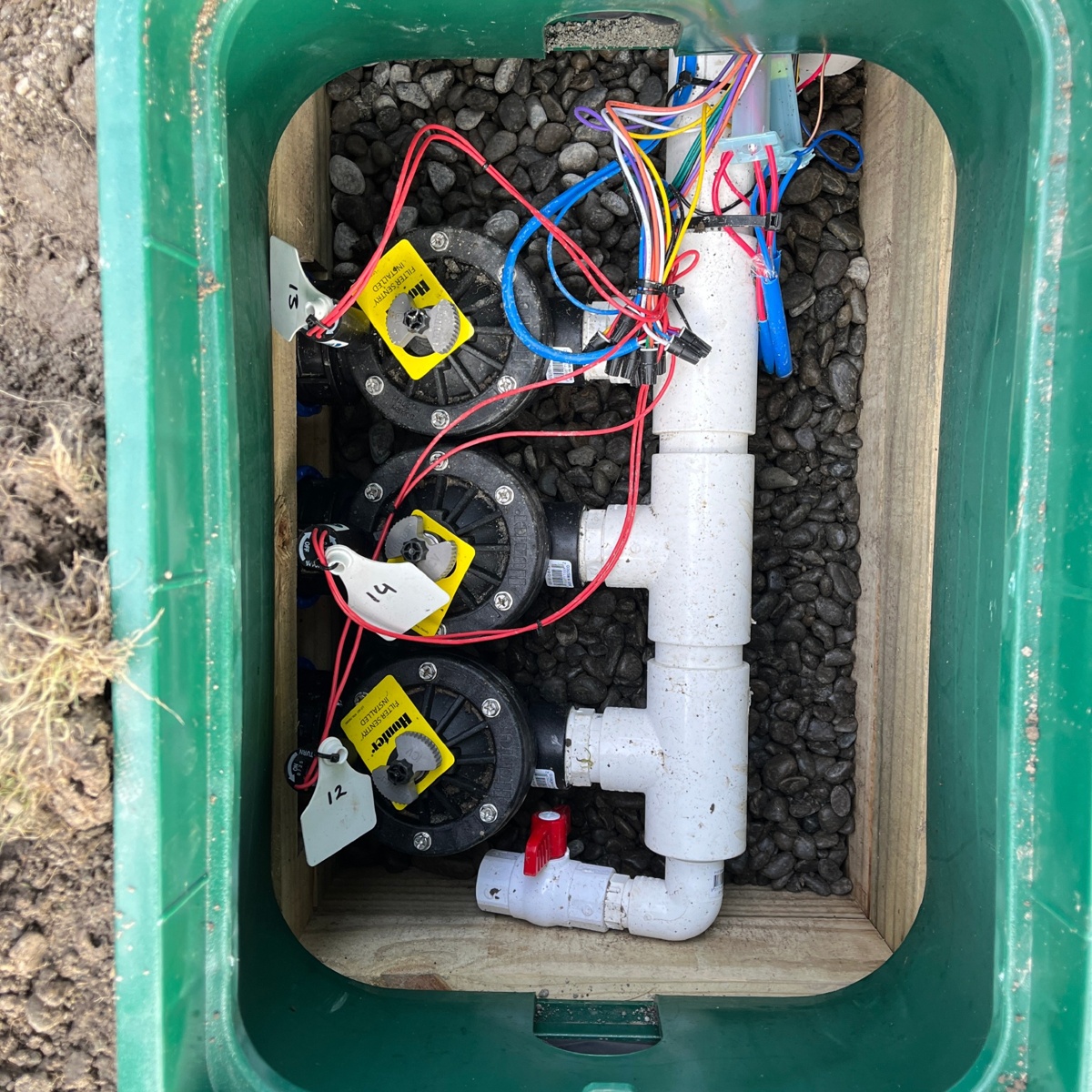
- Valve boxes where water sits around fittings
- Solenoid valves and manifolds
- Filters, especially if left full and sealed
- Isolation valves left tightly shut with water trapped behind them
If you’ve had to chase leaks on a crisp September morning, you’ll know exactly why this matters.
How WaterForce designs systems to handle winter
Winterising is easier, faster, and more reliable when the system has been built with drainage and frost in mind. Two design choices do most of the heavy lifting.
Pipe depth that helps protect against frost
In frost-prone areas, burying pipework at the right depth reduces the chance of water freezing in the line. Shallow pipework cools faster and is more exposed to quick cold snaps.
Depth isn’t one-size-fits-all (soil type, exposure, and site conditions all matter), but the principle is simple: more stable ground temperatures give you more protection.
Valve boxes that don’t turn into ice boxes
Valve boxes are classic freeze-damage territory because they create a neat little chamber where cold air can sit. If there’s water hanging around, frost has time to bite.
What helps:
- Valve boxes set below ground level
- Insulation or covers where needed
- Tidy layouts so you can drain them without guesswork
If you can access it, drain it, and protect it, you’re already ahead.
Central Otago winterisation checklist: the practical steps
This is the on-the-ground routine that prevents the expensive stuff from cracking. Do it properly once in autumn and spring starts up a whole lot smoother.
1) Depressurise and “open things up”
The goal here is to stop valves holding pressure and to let trapped water escape.
- Open solenoid coils so valves aren’t holding pressure in awkward ways
- Open bleed valves to release trapped pockets of water
- Set isolation valves correctly, don’t leave them tightly shut if that traps water
- Options we often use: open, or half open (so the ball isn’t holding water in the valve body)
2) Drain the system properly
This is the big one. If the system can’t drain, it’s far more likely you’ll get freeze damage.
- Open drain valves and let the system empty fully
- Take your time. A “quick drain” that leaves low points full isn’t really drained at all.
If your system doesn’t drain well, that’s usually a design or layout issue worth fixing before next winter. Otherwise you end up fighting the same battle every year.
3) Deal with filters and other vulnerable components
Filters are a common casualty because they’re often left full, sealed, and sitting in the cold.
Filters should be:
- Cleaned
- Emptied for winter
- Left not fully tightened (so they’re not sealed up holding water or pressure)
And if you’ve got valve boxes that tend to hold water, give them a once-over too. A bit of prevention here beats replacing cracked bits later.
4) Controller settings: stop winter run cycles
If irrigation doesn’t need to run over winter, don’t let the controller randomly fire up on a frosty morning.
- Turn the controller off, or
- Use seasonal adjust so it won’t run unnecessarily
5) Spring reminder: replace controller batteries
This one’s easy to forget until the first week back when everything’s meant to be running.
- Replace controller batteries in spring so you don’t get caught out at start-up.
Autumn is the best time to do this (not the first big frost)
Winterising is an autumn job. If you wait until the first proper frost:
- Draining is harder
- You’re more likely to miss trapped water
- You end up doing it rushed (and that’s when mistakes happen)
If you’re in Central Otago, aim to have it sorted before the weather really locks in.
Signs your system wasn’t winterised properly
If you see these in spring, winter is often the culprit:
- New leaks at fittings or manifolds
- Cracked valve bodies
- Filters that won’t seal properly
- Random zones not operating (valve damage, solenoids, debris)
Need a hand winterising or improving drainage points?
If you’re not sure your system is draining properly, or you’ve had freeze damage before, talk to WaterForce. We can service and winterise irrigation systems, and we can also recommend small upgrades (like better drain points or protecting valve boxes) so next year is easier.
Get in touch and tell us your location (Central Otago, Mackenzie, etc.) and the type of system you’re running. We’ll point you in the right direction.