_1200x1200.jpg)
Electric fence units are part of everyday farming in New Zealand. They run around the clock, keeping stock where they need to be, and it makes sense to install an energiser somewhere that already has power available.
Quite often, that means an irrigation pump shed, stock water pump shed or another farm utility site.
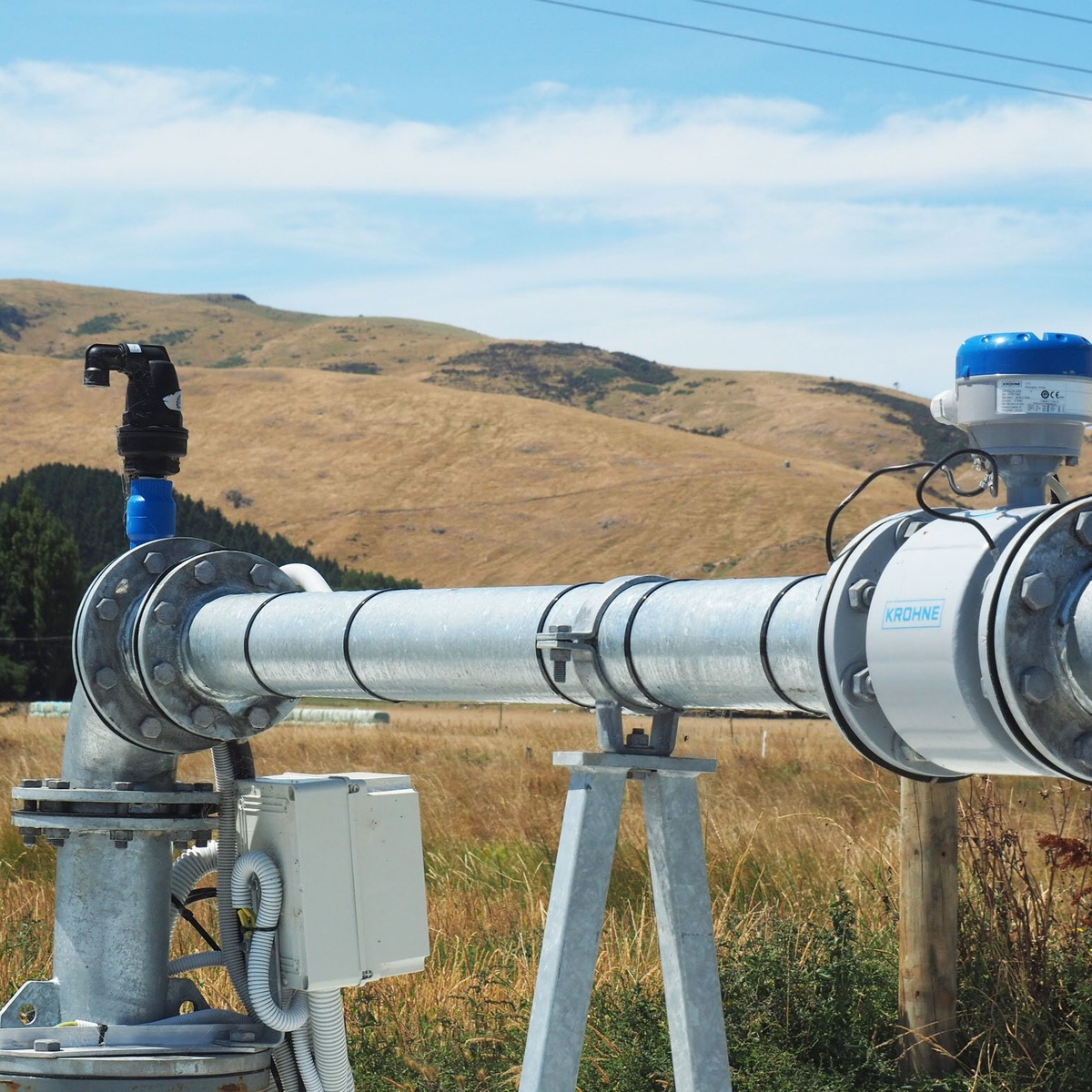
The catch is that these same locations increasingly contain flow meters, pump controls, weather stations, telemetry equipment and other electronics. If an electric fence is poorly installed, incorrectly earthed, particularly powerful, or has faults elsewhere on the fence, it can create electrical interference that may affect nearby electronic systems.
And when the first symptom is an unexplained spike in data or an intermittent telemetry fault, the electric fence isn't always the first thing anyone thinks to check.
Can an electric fence interfere with telemetry and electronic equipment?
Yes. Electric fences can potentially interfere with nearby telemetry, sensors and communication equipment through electrical noise or induction. The risk deserves particular attention where energisers, fence wiring and earth systemsare installed near flow-meter cables, weather stations, telemetry equipment or pump controls. Correct installation, separation and good communication between contractors can prevent difficult faults later.
Electric fences work by sending short, high-voltage pulses around the fence. When an animal touches it, the electrical circuit is completed through the animal and the ground back to the energiser's earth system.
That earthing system is critical.
Gallagher's practical guidance uses its 4-3-2-1 approach for permanent fence earthing:
- 4 metres between earth stakes
- 3 earth stakes minimum
- 2 metre-long earth stakes
- 1 continuous wire connecting the stakes to the energiser earth terminal
Gallagher also recommends keeping the electric fence earth at least 10 metres away from other electrical earth systems and metal water pipes.
Radio Spectrum Management gives similar separation advice and specifically recognises poorly maintained or incorrectly installed electric fences as a source of interference with communication systems. Its guidance also warns against long energised fence wires running parallel with communication cables.
We've seen how difficult this can be to diagnose
This isn't just a theoretical issue for WaterForce.
During recent testing of newly installed weather stations, our team worked through an intermittent issue at several installations. One site in particular had a strong electric fence installation nearby.
As part ofthe investigation, the team was able to observe electrical induction associated with the fence installation. That gave us an important lead when looking at why electronic monitoring equipment at the site wasn't behaving as expected.
It also reinforced a useful lesson.
When you're troubleshooting farm telemetry, you can't look only at the weather station, flow meter or telemetry unit itself. You need to look at the wider electrical environment around it.
That's epecially true on a modern farm, where systems installed at different times by different suppliers can end up operating within a few metres of each other.
What does electric fence interference look like on farm?
Radio Spectrum Management has long recognised electric fences as a potential source of interference with telephone and communication services.
Today's farm has a lot more sensitive electronic equipment than it once did.
A typical irrigation or stock water site might now include:
- A consent water meter
- Flow-meter pulse or signal wiring
- WaterCheck, Harvest or SCADAfarm telemetry
- Pump controllers
- Variable-speed drives
- Pressure and level sensors
- Weather monitoring equipment
- PLC and automation equipment
- Cellular or radio communications
An electric fence issue doesn't necessarily cause an obvious equipment failure.
That's part of what makes these faults tricky.
Dependingon the installation, symptoms could potentially include unusual spikes, additional pulses, erratic data or intermittent communication problems.
When the information is being used for water consent reporting, irrigation management or wider farm decision-making, data integrity matters. A reading that'swrong can create a much bigger headache than a failed sensor that's simply stopped working.
Induction is another reason to think about where cables run
Earthing is an important part of the picture, but it isn't the only consideration.
Electrical current creates an electromagnetic field. Where energised fence conductors and sensitive signal wiring are positioned unfavourably, electrical effects can potentially be induced into nearby wiring.
Our recent weather-station investigation was a useful reminder of this.
It means installation planning needs to consider not just where the earth stakes go, but where cables and fence conductors run in relation to one another.
Radio Spectrum Management specifically advises avoiding long sections of energised electric fence wire running parallel to communication cables.
The same principle is worth considering when you're dealing with sensitive farm instrumentation.
Where practical, think carefully about:
- Flow-meter signal cables
- Weather-station sensor cables
- Telemetry wiring
- Communication cables
- Pump-control wiring
- Underground electrical services
- Electric fence lead-out wires
- Fence earth systems
- Other electrical earth systems
A bit of separation during installation is considerably easier than chasing intermittent data problems afterwards.
Why these faults can take time to find
The frustrating thing about electrical interference is that the equipment showing the symptom isn't necessarily causing the problem.
A technician may arrive because a water meter appears to be producing strange data.
The meter gets checked.
Then the telemetry unit. Then the power supply, sensor wiring, communications and control equipment.
Everything may appear to be operating correctly while it's being tested.
If nobody knows there's a powerful electric fence energiser nearby, or that fencing work has recently been carried out, an important part of the picture can easily be missed.
That can result in repeat site visits, involvement from several service providers and additional cost for the farmer, all while everyone is trying to find a fault inside equipment that may actually be responding to something external.
A short conversation before equipment is installed can save a much longer troubleshooting exercise later.
Good electric fence earthing helps the fence too
Correct installation isn't only about protecting other electronics.
A good earth system is fundamental to electric fence performance.
Gallagher notes that fitting a larger energiser isn't the answer to a poorly performing fence with an inadequate earth system. Its guidance recommends testing the earthing system and adding earth stakes where required.
Datamars, whose New Zealand fencing brands include Speedrite, Stafix and PEL, also stresses the importance of correctly installed galvanised earth rods.
Things worth checking include:
- Damaged or corroded earth stakes
- Loose or poor electrical connections
- Broken earth wires
- Insufficient earth stakes
- Vegetation contacting live wires
- Cracked or damaged insulators
- Fence shorts or faults
- Earth systems positioned too close to other services
Finding and repairing the underlying problem is better than simply installing a larger energiser.
Tell your water-system technician about nearby electric fencing
One of the easiest ways to prevent these problems doesn't require any new technology.
It requires communication.
If WaterForce or another contractor is installing a pump, water meter, telemetry unit or weather station, let them know there's an electric fence energiser nearby.
The reverse applies too.
If a fencing contractor is putting a new energiser or earth system beside an existing pump station, let them know what electronics, sensors and communications equipment are already installed in the area.
Ideally, these systems should be considered together before either installation is finalised.
That gives everyone the opportunity to look at:
- Energiser location
- Earth-system location
- Cable routes
- Fence lead-out routes
- Separation between systems
- Existing underground services
- Potential sources of electrical interference
It's much cheaper to move something on the plan than after the trench has been backfilled.
Don't overlook the electric fence when troubleshooting strange data
When a flowmeter, weather station or telemetry system starts behaving unexpectedly, the first assumption is often that the electronic equipment has failed.
Sometimes it has. Sometimes the problem is somewhere else.
If you're investigating unexplained data spikes or intermittent communications issues, ask:
- Has a new electric fence energiser recently been installed?
- Has an existing energiser been upgraded?
- Is there a particularly powerful fence installation nearby?
- Has the fence earth system recently been altered?
- Have additional earth stakes been installed?
- Has fencing been extended or repaired?
- Is there a known fence fault?
- Are sensitive cables running alongside electric fence conductors?
- Does the problem change when sections of the fence are isolated during controlled testing?
Any testing or electrical work needs to be carried out safely and in accordance with the relevant requirements.
For electric-fence installations, AS/NZS 3014:2003, Electrical installations: Electric fences, provides specific installation guidance, including considerations around interference with communication cables.
The lesson from the paddock is pretty simple
Electric fences, pumps, meters, weather stations and telemetry all have legitimate jobs to do on the farm. They can operate alongside each other without trouble.
But we shouldn't assume that because two systems aren't physically connected, they can't affect one another.
Our recent investigation into weather-station installations has been a useful reminder to look beyond the piece of equipment reporting the fault. Sometimes the wider installation tells you more than the fault code does.
Get the fence earthing right. Maintain the fence. Think about cable routes and separation. And make sure the fencing, electrical, irrigation and telemetry teams know what else is installed around them.
Plan it,communicate it, and you'll give every system a much better chance of doing itsjob properly.
Seeing unusual water meter or telemetry data?
WaterForce designs, installs and services pumping systems, water meters, weather monitoring and telemetry equipment across New Zealand.
If you're seeing unexpected meter data, telemetry faults or unexplained issues around a pumping or monitoring site, talk to your local WaterForce team. We'll look at the wider installation and help work through what could be affecting the system, rather than assuming the first piece of equipment showing a problem must be the cause.