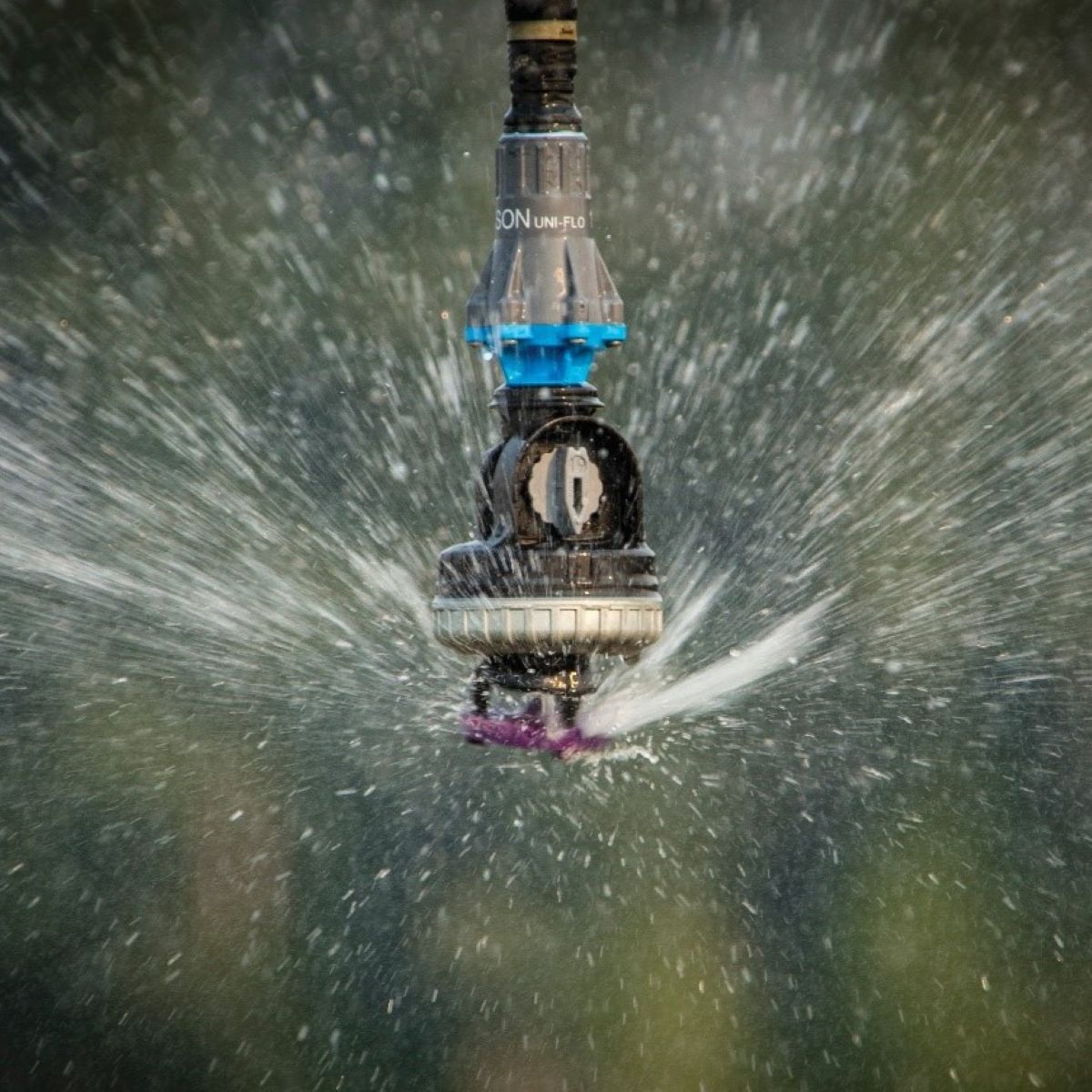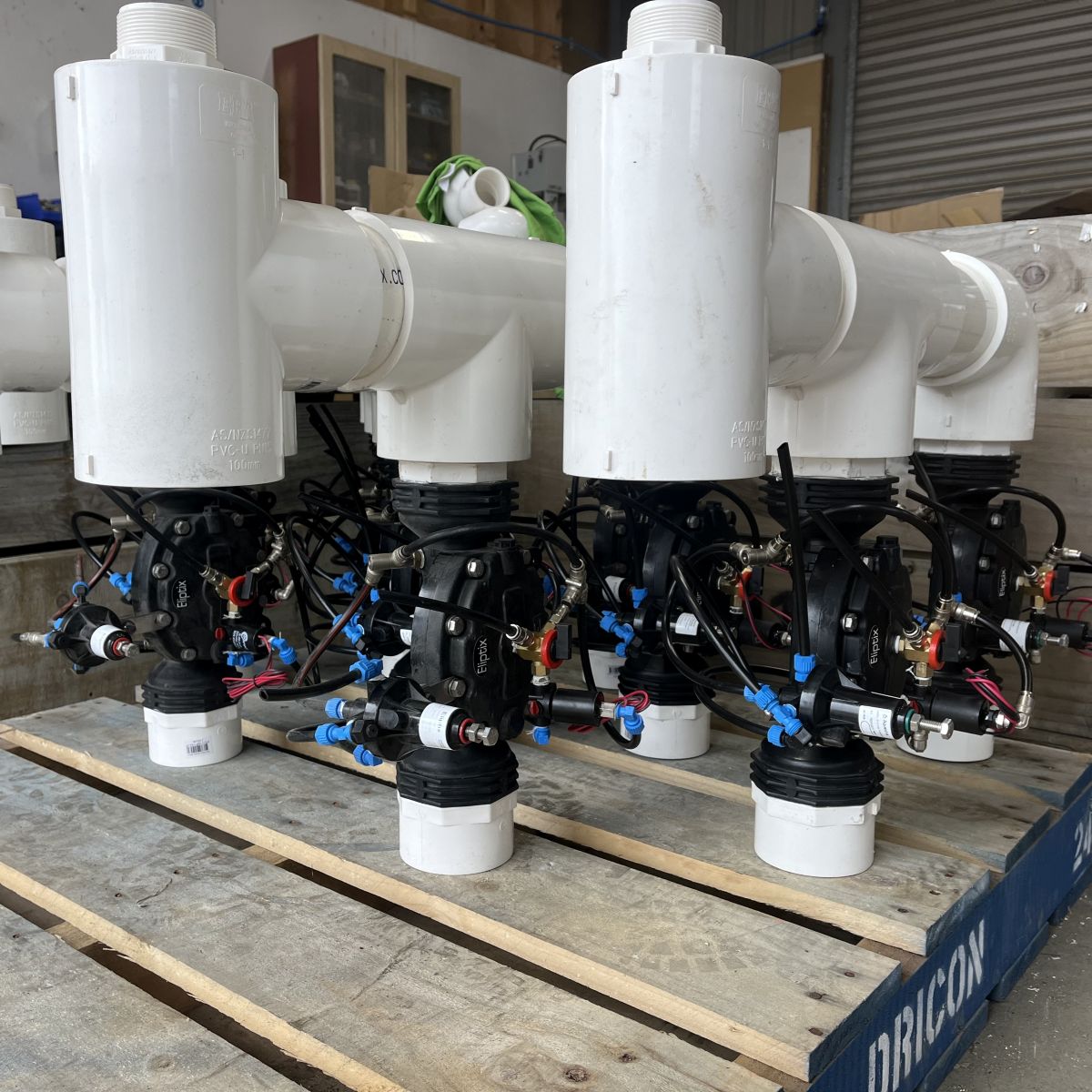
Monitor performance throughout the season to make sure the system is delivering the pressure and application you expect.
Modern centre pivots give farmers far more visibility than simply knowing whether a machine is ON or OFF. With tools such as Valley ICON control panels, AgSense365 remote monitoring, end-of-pivot pressure monitoring and Valley machine diagnostics, we can increasingly monitor how an irrigation system is actually performing throughout the season.
That matters because irrigation performance is not static. Pressure can change, sprinklers and regulators wear, nozzles can block, pumps can lose performance, filters can become restricted, drive components can affect travel speed, and field conditions can change.
Pressure is one of the key indicators
Every sprinkler package is designed around particular operating conditions. The hydraulic design needs to account for nozzle pressure, regulator requirements, friction losses, elevation changes and other losses through the system.
That makes end-of-pivot pressure a particularly useful indicator of overall system health. If the pressure at the end of the machine is where it should be, we have greater confidence that the sprinkler package has the pressure available to operate as designed.
The important point is not simply chasing a particular pressure number. It is knowing what pressure the system was designed to operate at and checking that it is actually achieving it.
Use technology to establish what normal looks like
A Valley ICON panel provides control and information at the machine, while AgSense365 gives farmers and irrigation managers the ability to remotely monitor and review machine operation.
· How long does a revolution normally take?
· What pressure does the machine normally operate at?
· Does pressure change significantly when an end gun or other device operates?
· Is the pivot travelling consistently?
· Are there recurring stops, faults or unusual operating conditions?
The more we understand normal operation, the easier it becomes to identify when something has changed.
End pressure gives you another piece of the picture
Adding pressure monitoring toward the end of the pivot can take this a step further. Instead of assuming the pump pressure at the pivot point means everything is fine at the other end of the machine, we can monitor pressure much closer to where the irrigation is actually taking place.
When end pressure information is viewed alongside the operating information available through ICON, AgSense365 and Valley machine diagnostics, it provides another useful way of checking whether the complete machine is operating within its intended parameters.
Look for trends, not just alarms
One of the biggest benefits of connected irrigation technology is not necessarily receiving another alarm on your phone. It is the ability to identify trends.
A sudden loss of pressure is relatively easy to notice. A gradual change over several weeks can be much harder to see during a busy irrigation season. The same applies to pivot travel, recurring pauses and subtle changes in operating behaviour.
Technology does not replace walking the machine
Sprinklers, nozzles and regulators remain wearing components and need to be physically inspected. The strongest approach is to combine technology with physical inspections: use data to monitor performance and field inspections to verify what is actually happening.
Do not wait until the crop shows you there is a problem
· End-of-pivot pressure and whether it remains within the expected operating range
· Actual revolution and travel times compared with what is expected
· Recurring faults, stops or unusual operating behaviour
· Changes in pressure or machine performance over time
· Physical condition and operation of sprinklers, nozzles and regulators