Rainwater is a brilliant water source for rural homes and lifestyle blocks, but it only stays “good tank water” if you control what gets into the tank in the first place. Leaves, roof grit, bird mess, dead insects and gutter sludge don’t just look gross. They feed bacteria, stain your tank, clog filters, shorten pump life, and make your drinking water system work harder than it needs to.
One of the simplest upgrades you can make is fitting a Leaf Eater (a rain head / downpipe filter) on your downpipes before water enters the tank. It’s cost-effective, it’s easy to service, and it makes everything downstream (tank, pump, filters) easier to manage.
Below is how we recommend thinking about potable rainwater collection in NZ, and where Leaf Eaters fit in.
Can you use collected rainwater as potable drinking water in NZ?
Yes, plenty of NZ households drink rainwater, but the key is multi-barrier protection: keep debris out at the roof and downpipes, divert the dirty first flush, keep the tank sealed and screened, then treat the water at the house (typically sediment + carbon filtration and often UV).
Regular maintenance and occasional water testing are what keep it safe long-term.
Start with the roof and gutters (because that’s where the problems begin)
If you’re collecting rainwater for drinking, the roof is your catchment. Whatever’s on it ends up in your system.
A few practical points that make a noticeable difference:
· Keep gutters clean and check them after wind events and heavy leaf drop.
· Trim back overhanging trees where you can. It reduces leaf load and bird activity.
· Avoid roof materials or fittings that can contaminate water, and keep roof access tidy (no fertiliser bags, paint tins, etc. stored where runoff can pick up nasties).
This isn’t about perfection. It’s about reducing the amount of junk entering the line in the first place.
Why Leaf Eaters are such an effective upgrade
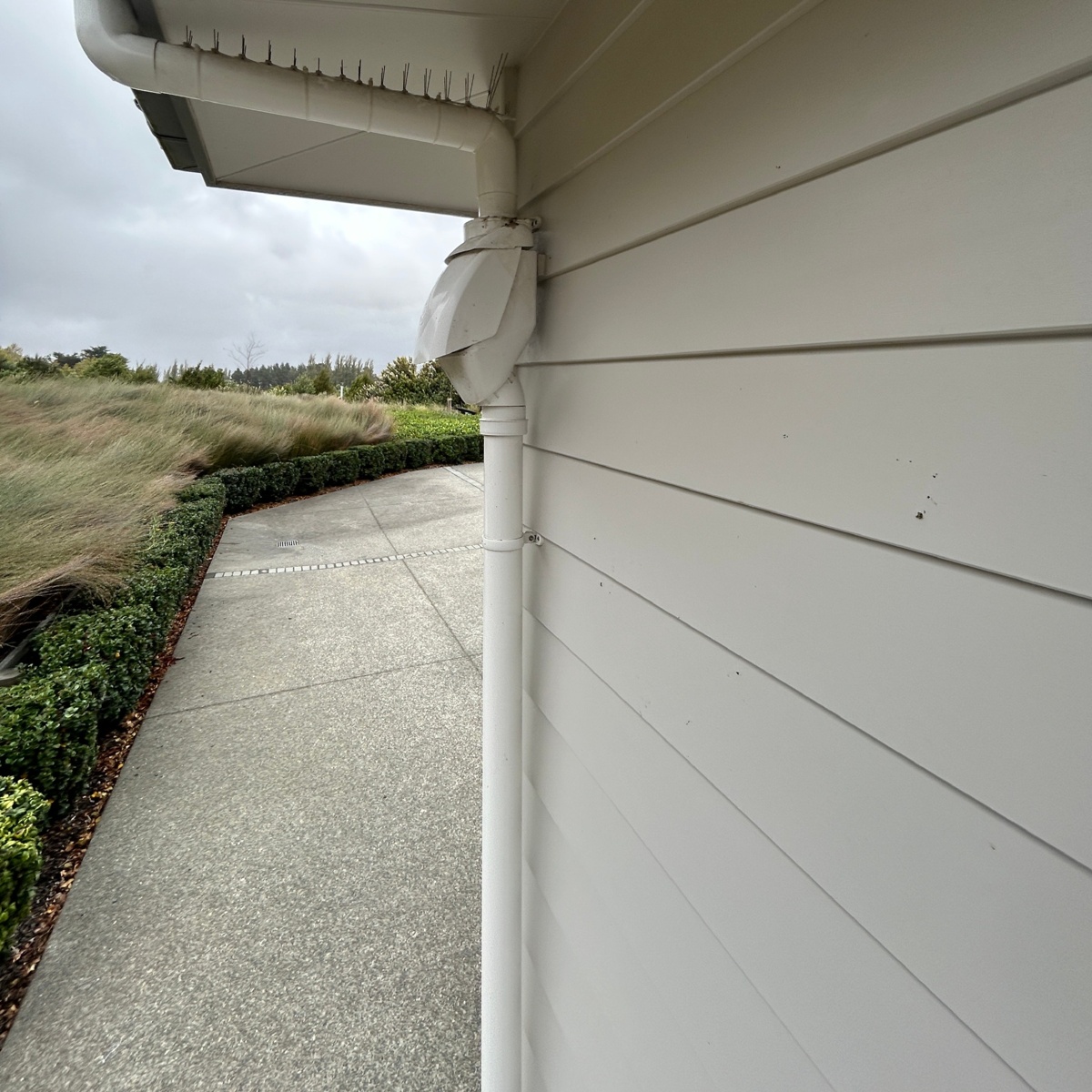
A Leaf Eater is a downpipe-mounted filter that screens roof and gutter litter before it goes into your tank. That means fewer leaves, fewer insects, less sludge, and less organic matter building up over time.
What we like about them:
· They stop the big stuff early (leaves, twigs, roof grit).
· Many models use fine stainless mesh (often around sub-1 mm) to keep small debris and pests out.
· They reduce tank cleaning frequency and help your filters last longer.
· They’re a cost-effective “first barrier” for improving drinking water quality.
If you’ve ever opened a tank and seen a layer of dark muck at the bottom, that’s usually years of “stuff that should’ve been stopped at the downpipe”.
Installing Leaf Eaters on new or existing downpipes: the detail that catches people out
Leaf Eaters can be installed on new builds or existing downpipes, but there’s one practical constraint that matters: you need enough fall between the Leaf Eater outlet and the tank inlet so the pipework runs properly and you’re not forcing awkward bends.
For common Leaf Eater models, installation guidance typically calls for the unit to be a minimum of 500 mm above the tank inlet (and overflow). That clearance gives you workable fall and helps prevent flow restrictions.
Rule of thumb: if you don’t have that space, don’t guess. You’ll end up with a slow-draining line, annoying overflows, or a Leaf Eater that’s a pain to service.
Quick install checks (before you buy anything)
· Measure from where the Leaf Eater would sit to the tank inlet height.
· Check you can keep pipework straight and accessible (you want to be able to clean the screen easily).
· Confirm where the overflow goes, and that it won’t back up in extreme rain.
· If you’ve got a charged line or long run, factor that in (water sitting in pipes brings its own issues).
Leaf Eaters help, but potable rainwater still needs a full “barrier” approach
A Leaf Eater is a strong first step, but it’s one piece of a potable system. If your family is drinking the water, these layers matter:
1) First-flush diversion
A first flush diverter sends the first bit of roof runoff to waste, which is often the dirtiest. Guidance varies by roof condition and size, but the principle is consistent: the more roof pollutants, the more you should divert.
2) Tank hygiene and protection
· A properly sealed tank lid
· Inlet calming or direction control (so incoming water doesn’t stir sludge)
· Mosquito-proof screening on inlets/overflows
· Sunlight control (light drives growth)
3) Treatment at the house (where potable really happens)
Most potable rainwater setups use:
· Sediment filtration (catch fine particles)
· Carbon filtration (taste, odour, organics)
· UV disinfection (common on drinking supplies)
And then the boring but important bit: replace filters on schedule and keep the UV system maintained.
4) Ongoing maintenance and water testing
Councils and building guidance commonly recommend routine cleaning and periodic disinfection/maintenance. Even good systems drift over time if nobody owns the upkeep.
Picking the right Leaf Eater for your setup
Not all Leaf Eaters are the same. The “right” one depends on:
· Roof area and expected rainfall intensity (flowrates matter)
· Downpipe shape/size (round vs rectangular, 80 mmvs 100 mm, etc.)
· How accessible the location is for cleaning
· Whether you need vertical or horizontal outlet options (some designs pivot)
· How leaf-heavy your site is (big deciduous trees change everything)
If you’re DIY capable, it’s still worth getting the selection right up front. A slightly wrong fit can create restrictions, splash-out, or make servicing a pain.
A simple example we see all the time
A household has “average” tank water, but the filters block up quickly and the water tastes musty after heavy rain.
What’s usually happening:
· Leaves and roof grit are entering the tank
· Organic matter builds up, then gets stirred during rain events
· Filters are doing the work the downpipes should have done
A Leaf Eater won’t solve everything on its own, but it often reduces the load enough that:
· the tank stays cleaner
· filters last longer
· the system becomes more consistent year-round
Want better drinking water from your tank? Start before the tank.
If you’re collecting rainwater for drinking, keeping debris out at the downpipe is one of the cheapest quality wins you can make. Leaf Eaters are proven, practical, and easy to retrofit, as long as you’ve got the right fall and a sensible installation layout.
WaterForce can support and supply your plumber, or you if you’re DIY able, to select the correct Leaf Eater for your application. We’ll help you match the right unit to your downpipes, roof area, and tank layout so it works properly.
Call us today to talk through your rainwater setup and how to improve your potable water quality for the family.
Relevant links:
https://rainharvesting.com.au/nz
https://www.waterforce.co.nz/water-for-home/drinking-water
.jpg)