Water-Meter & Flow-Meter Verification

Water-meter and flow-meter verification with clear preparation and reporting

A verification reminder, a consent handover or a reading that doesn't match the telemetry raises the same questions: which requirement applies, who's accepted to do the work, and what needs to be ready on the day. WaterForce establishes the requirement for your consent, prepares the water meter or flow meter information and coordinates the qualified verification pathway so the visit is properly prepared and reporting responsibility is clear. Verification checks measurement accuracy against an accepted method. It's not a guaranteed pass, and if the meter fails, we help coordinate corrective work and re-verification.
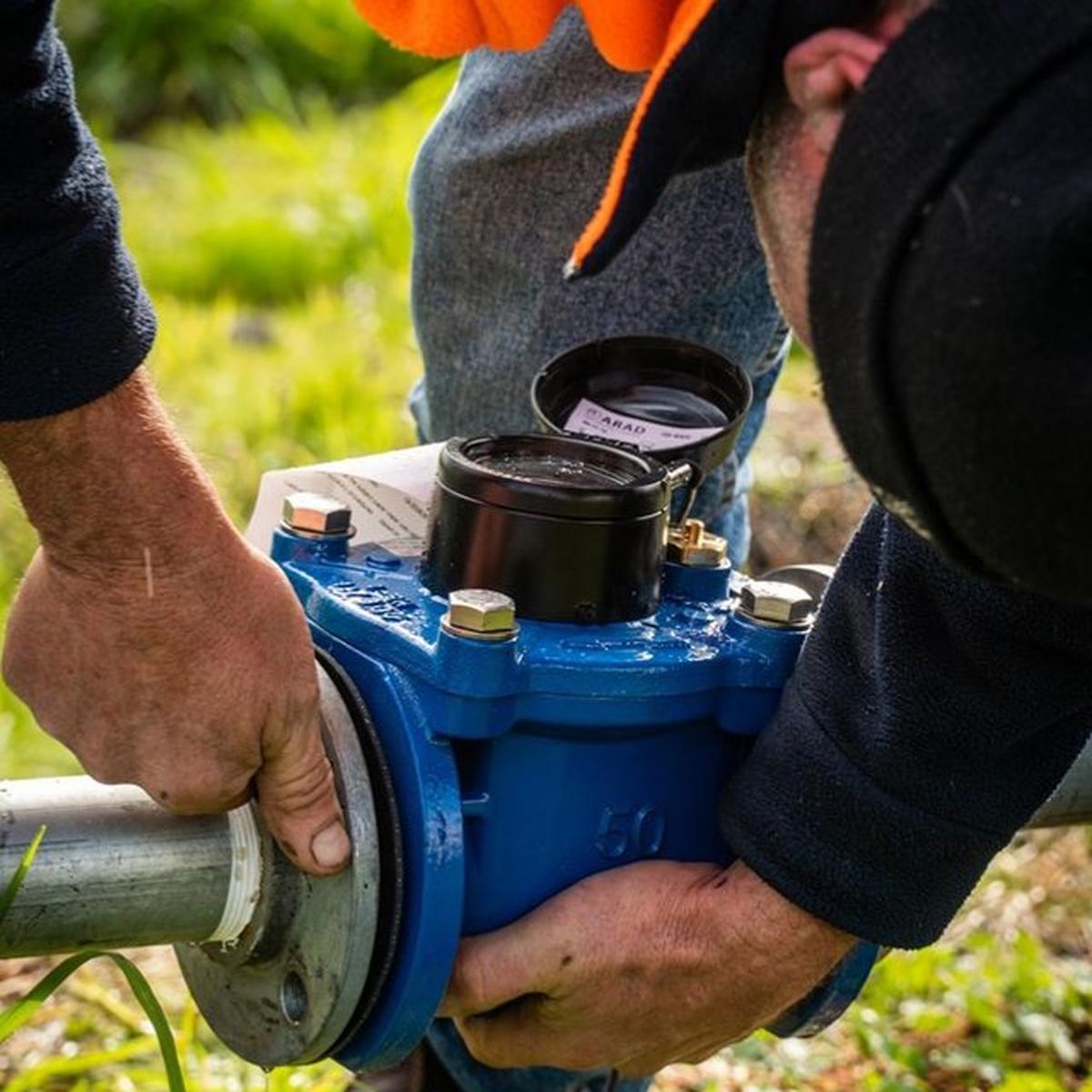
Technicians working on a water meter connection

Why WaterForce for meter verification

The requirement, confirmed

We identify the national, consent and council requirements that actually apply to your take.

Prepared, not surprised

Site, access, flow and meter details sorted before the visit, so it isn't wasted.

The whole measurement system

Meter, logger, telemetry and installation reviewed together, because a working data feed doesn't prove an accurate meter.

Local metering support

Metering and water-system support through WaterForce teams across New Zealand.

What the rules require

For water takes covered by New Zealand's measurement and reporting regulations, an initial verification is required, then subsequent verification at least every five years, with consent conditions or councils sometimes requiring more. New or replacement meters can trigger a fresh initial verification. WaterForce confirms the current requirement for your specific consent and council rather than leaving you to decode it.

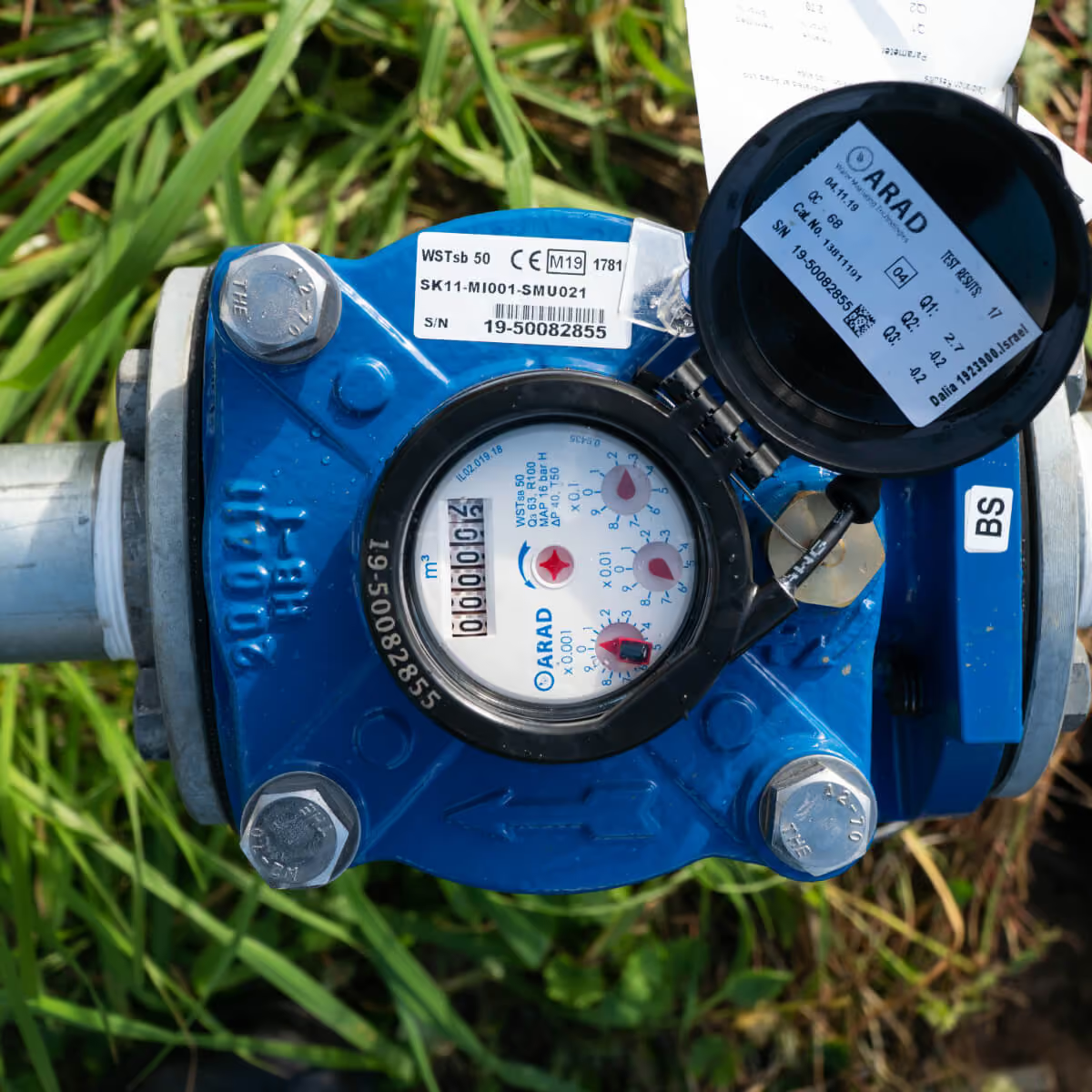
Blue water meter installed in grass with its register visible

How verification runs

The process moves through five steps: confirm the requirement against the consent and due date; check site suitability, access, pipework and any flow the method needs; complete the verification with a suitably qualified person using an accepted method; record the site, meter, method, equipment and result in the required form; then submit the record per the council process and diarise the next due date. Have the consent number, meter make, model and serial, previous records, pipe details and telemetry information ready to help the verifier prepare for the visit.

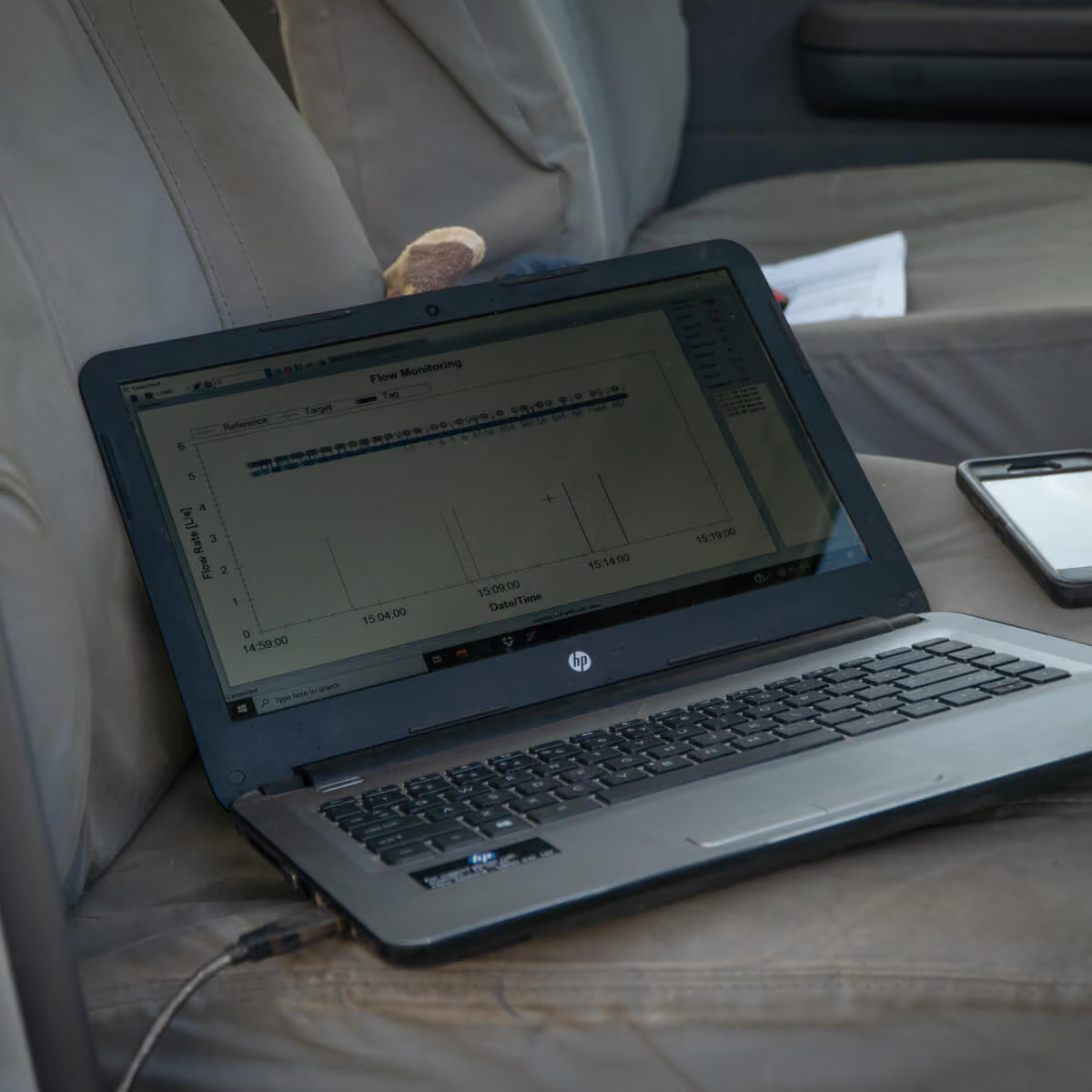
Laptop displaying a monitoring interface

When a meter doesn't pass

A failed result needs a cause: the meter itself, installation conditions, pipework, flow profile or settings. The next step is servicing, reconfiguration, repair or replacement, followed by re-verification, with the failed result and corrective records kept together so the compliance history stays intact. WaterForce helps identify the cause and coordinate the fix, drawing on the wider water system where the problem sits outside the meter.

Valves and pipework in a water pumping installation

Frequently asked questions

How often must a water meter or flow meter be verified?

Covered takes need initial verification, then verification at least every five years, with consent or council conditions sometimes requiring more. We confirm the interval for your site.

Who can verify a water meter?

A person considered suitably qualified for the meter, method and consenting authority. We line up the accepted pathway for your installation.

Is verification the same as calibration?

No. Verification checks installed measurement accuracy against a requirement; calibration compares an instrument with a standard and may include adjustment.

Does water need to be flowing during verification?

Depends on the accepted method. Some onsite checks need stable flow and access; others involve different preparation. We confirm the method and interruption plan before booking.

My telemetry is sending data. Doesn't that prove the meter is fine?

No. Telemetry proves the data connection works, not that the meter is accurate. Verification is what tests the measurement.

What happens after a failed verification?

The cause is investigated, corrective work completed and the meter verified again, with records showing the full sequence. We help coordinate that process.

Who submits the verification report?

The qualified verifier or the consent holder, depending on the council process and the service arranged. We make sure it's agreed before the visit so nothing falls through the gap.

My meter reading doesn't match my telemetry. Which is wrong?

Could be either, or the installation between them. The meter, logger, telemetry and pipework get checked as one system before anything is replaced.

What should I prepare before booking?

Consent number and conditions, meter make, model, size and serial, previous records, pipe details, telemetry information and the operating window for testing. We'll give you the exact list for your method.

I have multiple meters across sites. Can that be managed together?

Yes. An asset list with due dates and site constraints lets the programme run as one job instead of a dozen loose ends.

Plan your meter verification

Send through the consent details, meter information and due date, and your local WaterForce team will confirm the requirement and coordinate the preparation and verification process.