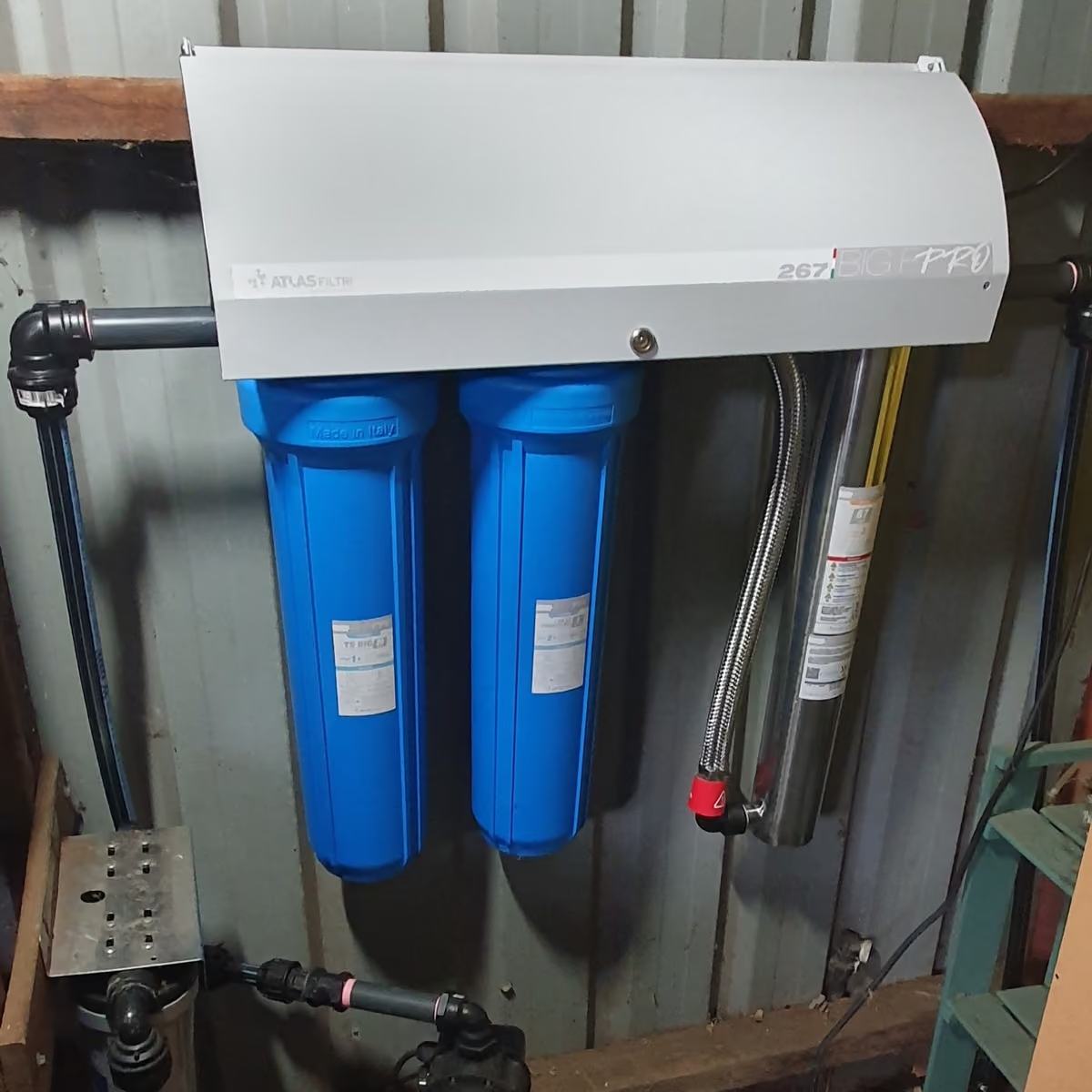
Scale on the shower glass, crusted taps, a kettle that furs up in weeks: classic hard water. WaterForce tests the water, confirms hardness is actually the cause, then sizes and installs a softener around your household's real demand, plumbing and the outlets you want left untreated. That test-first approach confirms the softener is addressing the right problem and is sized for the water you actually use.
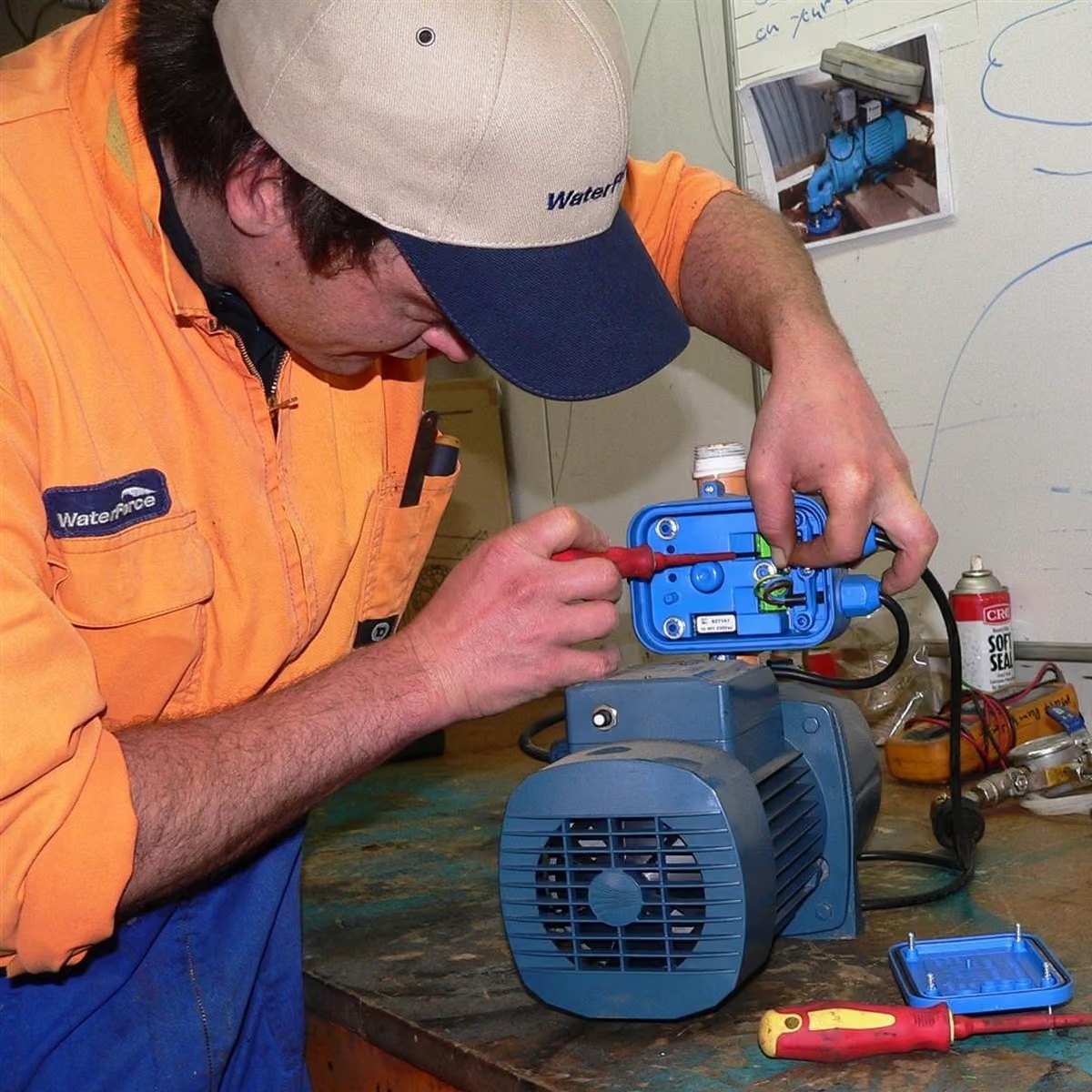
A measured hardness result drives the sizing, so the system matches your actual water.
Capacity and peak flow calculated for your bathrooms, occupants and high-flow outlets, with pressure requirements checked.
Drinking taps, outdoor taps and irrigation can bypass the softener where you prefer.
WaterForce installs and services softeners through teams across New Zealand.
Most household softeners use ion exchange: water passes through a resin bed that swaps hardness minerals for sodium, and the resin regenerates periodically using a brine solution. The system needs suitable space, drainage, salt access and controls set for your hardness and demand, which is why installation and commissioning matter as much as the unit itself.
A softener reduces hardness and the scale that comes with it. It doesn't filter sediment, fix taste or odour, or disinfect. Where the test shows more than hardness, common on bore supplies, we design the stages together: sediment filtration to protect equipment, carbon or specialist media for taste and odour, UV for disinfection. You only get the stages the water justifies.

Softener capacity has to cover both the hardness load and the water used between regenerations, while still delivering peak flow when the household is busy. We work from your measured hardness, occupants, bathrooms, existing pump and pressure, and available space and drainage, then commission the controls, check the bypass and hand over a system with realistic salt use you can actually maintain.
_1200x1200.avif)
Water with elevated dissolved minerals, mainly calcium and magnesium. Levels vary by source and location, which is why testing matters.
Scale, deposits and poor soap lather are strong signs, but a quick test confirms it and rules out look-alike causes such as iron staining.
No. It reduces hardness. Sediment, chemicals and microorganisms need their own treatment stages.
Many households drink it; others prefer an unsoftened drinking tap. We'll plumb the bypass either way, so it's your call.
Depends on hardness, water use and system capacity. For a typical household it's a simple top-up routine, and we'll give you the realistic figure for your system before you buy.
Yes, though whole-house isn't always the best arrangement. Outdoor taps and irrigation often bypass the softener to save salt and capacity; we'll design the treated outlets around how you live.
One sized from your measured hardness, occupants and peak flow. Undersized units regenerate constantly; oversized ones waste money. Water testing and household demand guide the sizing.
Only if hardness is the cause. Iron and manganese staining need different treatment, which is exactly why we test first, especially on bore water.
Adding salt, an occasional check of the brine and control system, and periodic servicing. We can handle the servicing for you.
Depends on age, condition and whether the water or household demand has changed. We'll assess it and give you a straight answer before recommending anything.
Homeowners throughout New Zealand have trusted WaterForce with their water for over 20 years. Send through any test results, photos of your existing setup and your household size, and your local team will come back with the right system, the install plan and the real running costs.