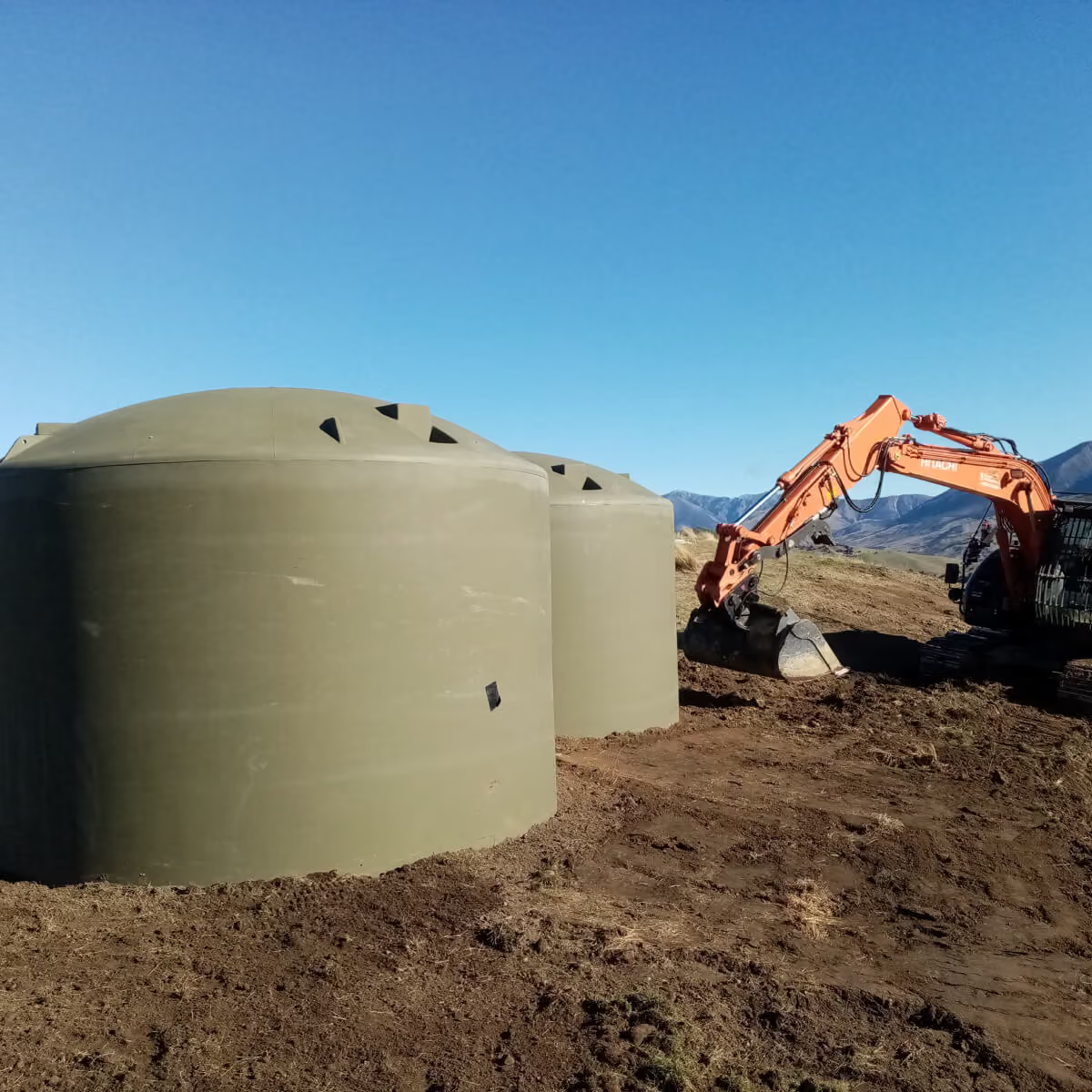
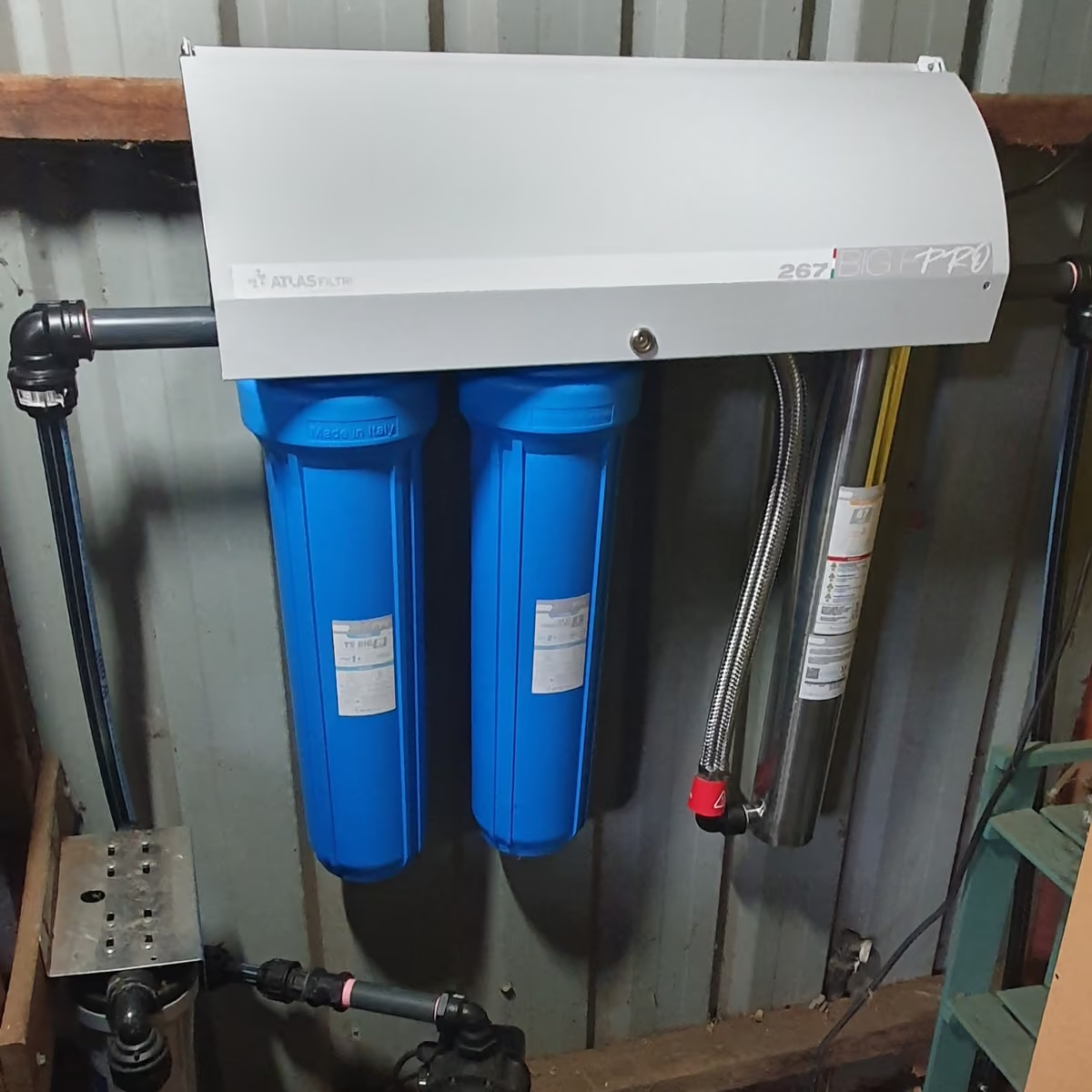
Garden irrigation, stock water, toilets and laundry, full household supply or backup resilience: what you want the water for changes everything about the system. WaterForce designs complete rainwater setups, catchment, tank, pump, pressure, treatment and backup, as one system built around the intended use, then installs and services them. Tank sizing starts with the property's water balance: catchment, rainfall and demand. Pumping, treatment and backup requirements follow from how the water will be used.
Storage, pumping and treatment specified for what the water will actually supply, from garden taps to drinking water.
Tank sizing from your catchment, rainfall pattern and demand, not a universal tank-size rule.
Potable, mains-connection, backflow, plumbing and consent requirements checked for your property before the design is final.
WaterForce teams across New Zealand handle design, installation and ongoing servicing.
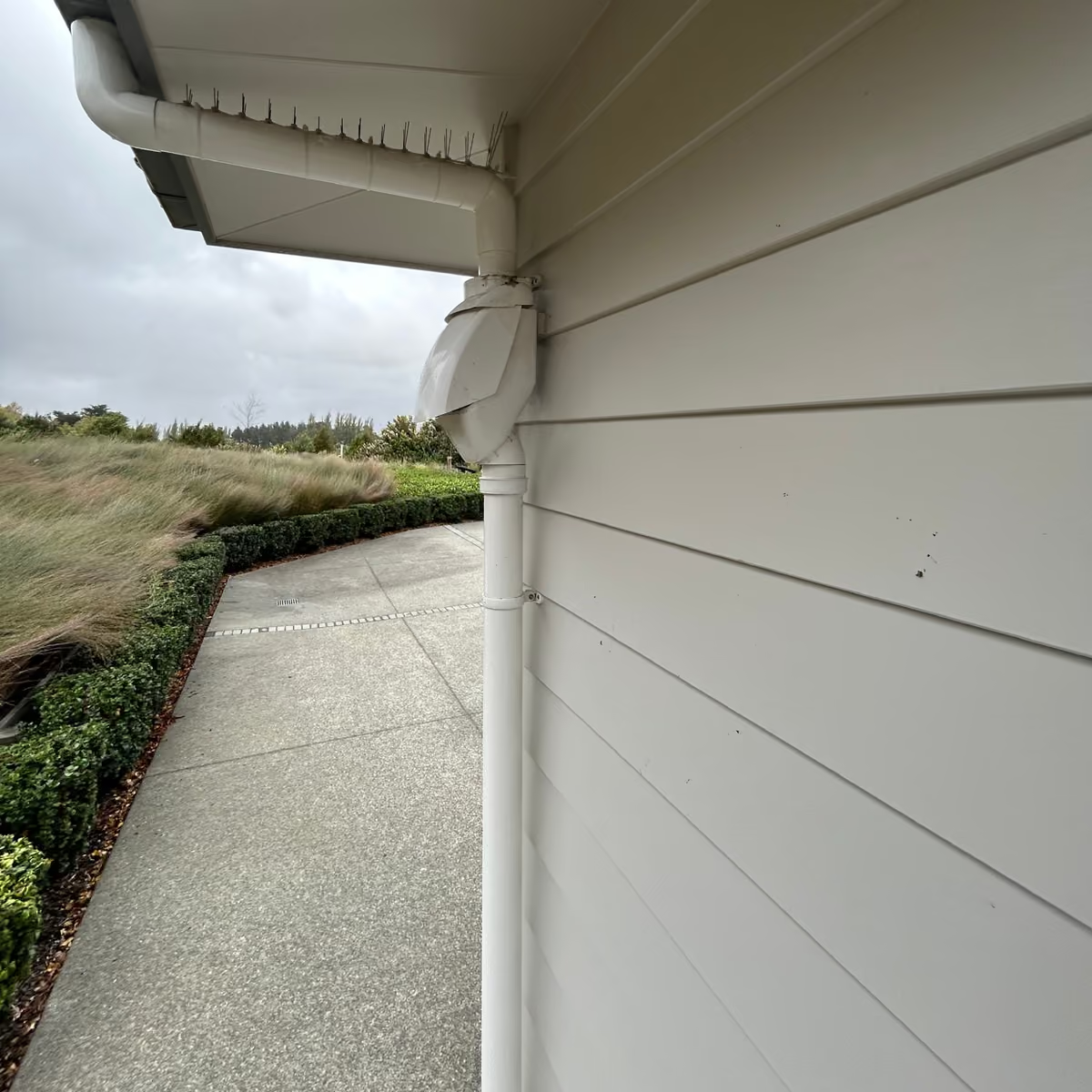
A well-built rainwater system runs from a suitable roof catchment and guttering, through leaf screens or first-flush controls, into a correctly located and sized tank with proper overflow, then out via a pump and pressure controls to filtration and disinfection matched to the use, with a clearly designed backup or mains changeover where needed. Each stage protects the next: keep debris out of the tank and the treatment and maintenance load drops for the life of the system.
_1200x1200.avif)
Useful tank volume comes from catchment area, local rainfall pattern, seasonal demand, intended use and how much backup you're comfortable with. We run that water balance for your property, then plan the practical details that decide whether the tank stays easy to live with: material, foundation, access, screening, overflow and cleaning.

Supplying household fixtures or irrigation at usable pressure needs a pump sized for flow, pressure, pipe runs and simultaneous outlets. Where a rainwater system connects to plumbing that also has a mains supply, the design may require building consent, backflow isolation and work by a qualified plumber, depending on the property and local requirements. WaterForce designs the changeover and coordinates the relevant compliance steps.
.avif)
Garden and outdoor uses may need little more than screening. Household fixtures warrant filtration, and drinking use needs sediment filtration plus UV disinfection with the catchment and tank managed as part of the water-quality system. No treatment stage compensates for a neglected roof or tank, so the maintenance plan covers the whole chain: gutters, screens, tank, pump, filters and UV.

Garden irrigation, outdoor cleaning, toilets and laundry are common. With the right treatment, plumbing and maintenance it can supply the full house, including drinking water.
It comes out of a property-specific water balance: catchment area, rainfall pattern, demand and the resilience you want through dry spells. We calculate it rather than guessing from household size.
For household fixtures or pressurised irrigation, yes. Gravity can cover some low-pressure outdoor uses if the tank sits high enough.
Yes, when the catchment, storage, treatment and maintenance meet Building Code and council requirements. We design the treatment and verification plan as part of the system.
Yes. The changeover may require building consent, suitable backflow isolation and work by a qualified plumber. We confirm and coordinate the requirements that apply to your property.
Clearing gutters, screens and first-flush devices, checking the tank and overflow, inspecting the pump, replacing filters and servicing the UV lamp where fitted. We can put it on a service plan.
Commonly pump sizing, pressure controls, blocked filters or pipe runs. We assess the whole path from tank to tap before replacing anything.
It's a simple way to keep the dirtiest roof runoff out of the tank, which lowers the treatment and cleaning load. For drinking-water systems it's well worth it.
Yes. Whether it's tanker dependence, weak pressure, controls nobody understands or adding drinking-water treatment, we assess what's there and address what is limiting the system.
Location, roof or catchment area, intended uses, household demand, tank space and any existing equipment. Your local team takes it from there.
Talk to your local WaterForce team about a complete rainwater system or an upgrade to the one you already have.