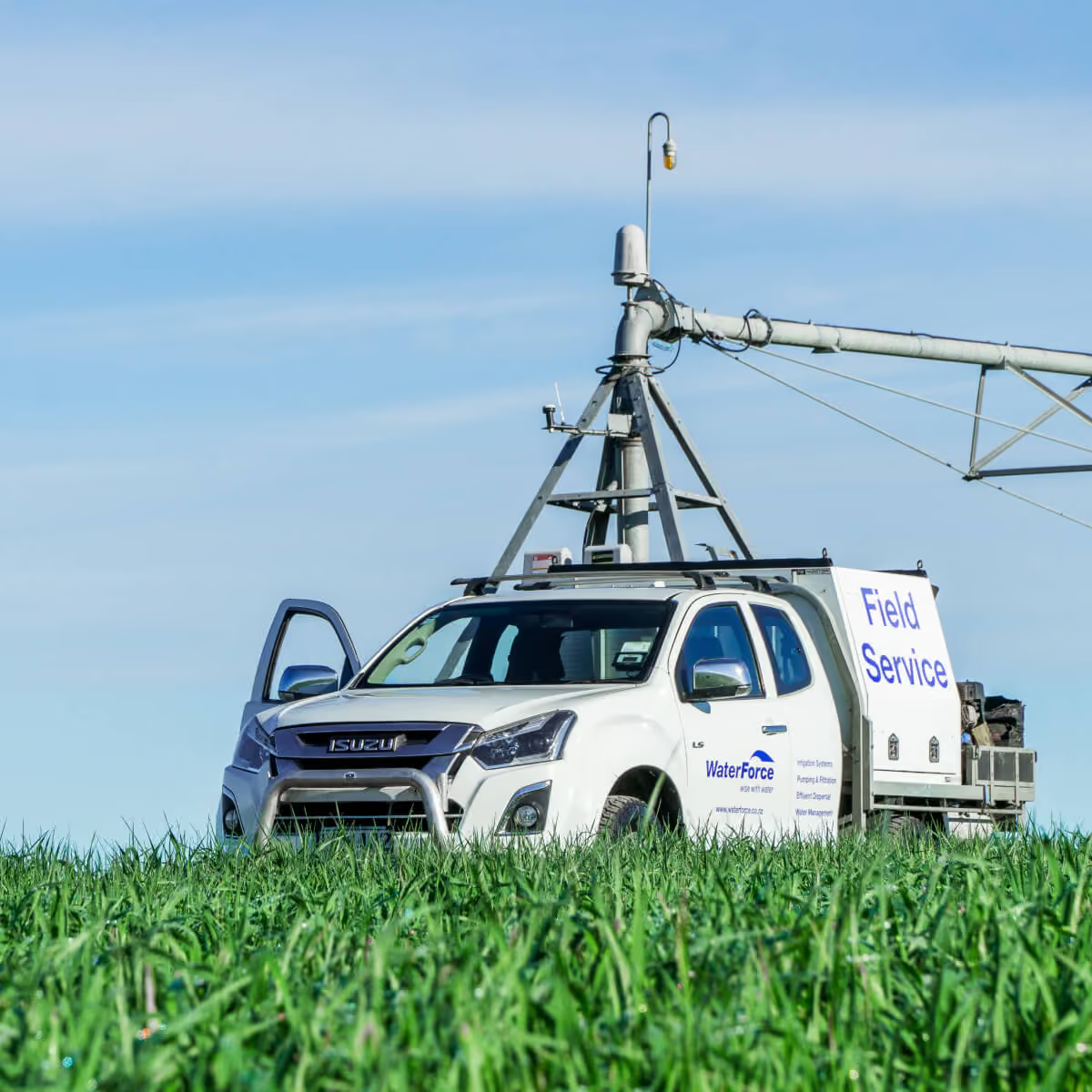
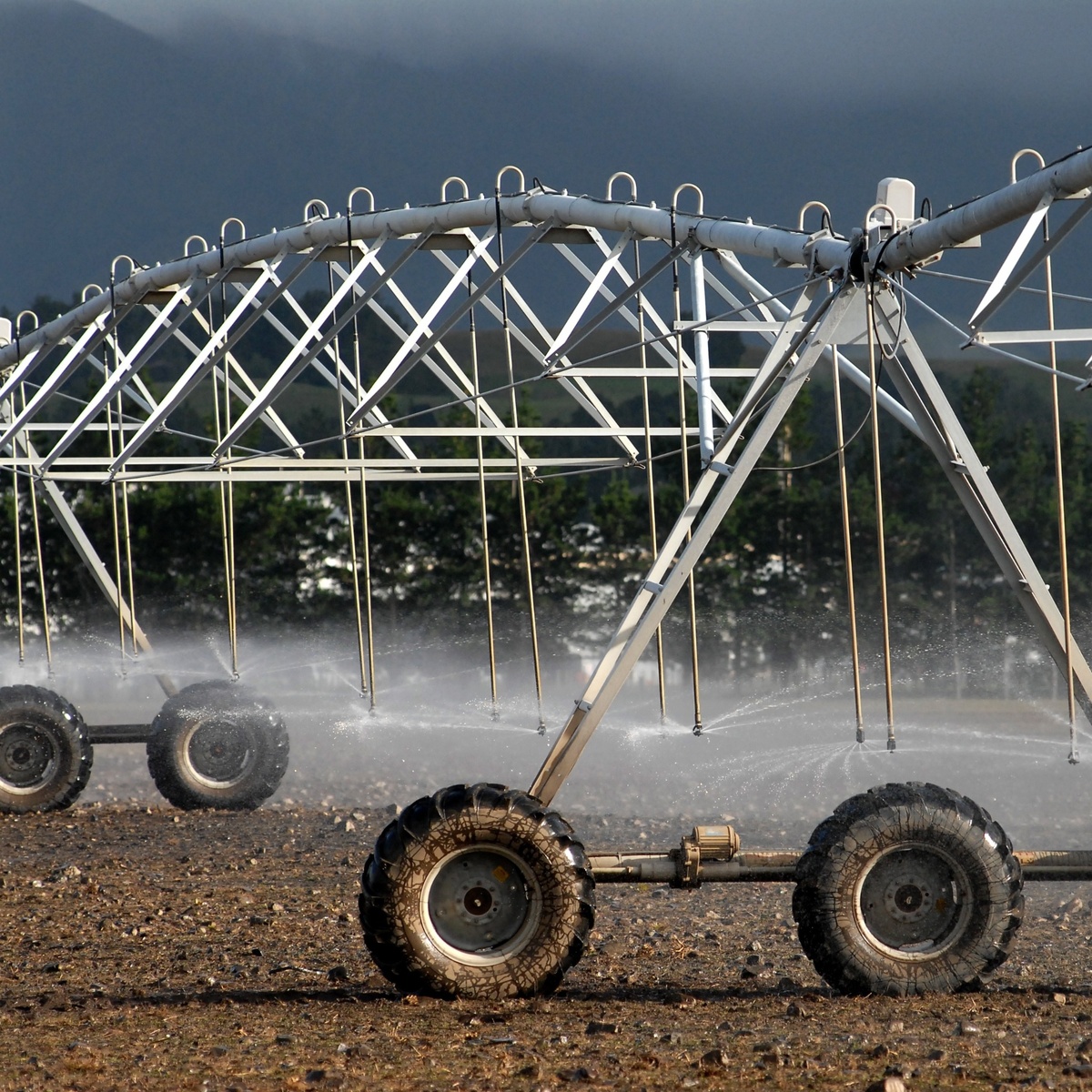
Low pressure, uneven application, repeat breakdowns or controls that no longer suit the operation all warrant a system assessment. WaterForce assesses the complete system first, water, pumping, pressure, pipework, application equipment, power and controls, then recommends the appropriate response, whether that's a repair, a staged upgrade, a redesign or a new system. That assessment makes it clear where the problem sits and what level of work is justified.
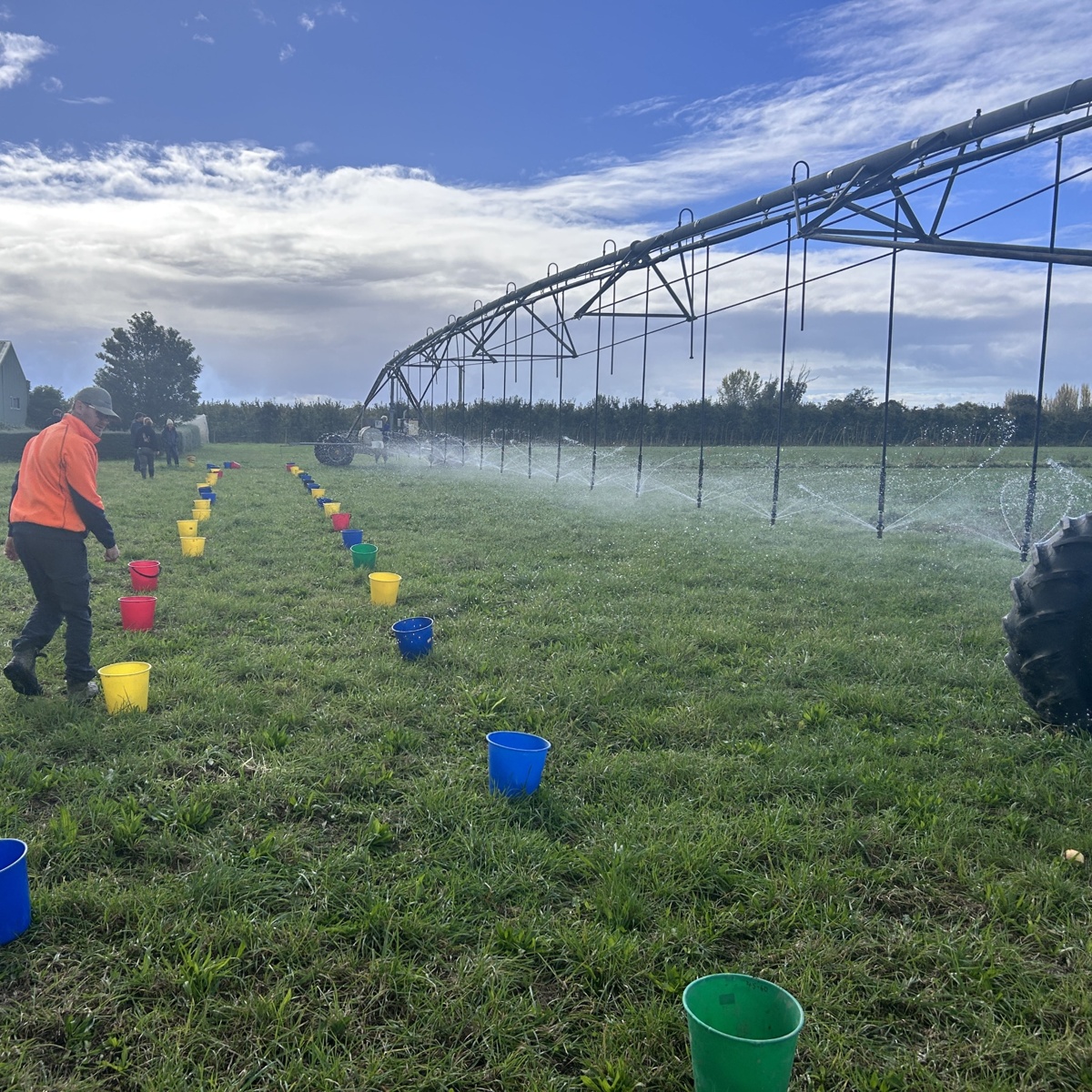
Flow, pressure and application tested across the actual system before anything is recommended.
Repair, staged upgrade or redesign, based on what the assessment shows, with the trade-offs explained.
We design new systems and service, fault-find and upgrade systems installed by others.
Design capability and service teams through WaterForce branches across New Zealand, with 24/7 call-outs when it matters.
Good design starts with the outcome and the site: area and application objective, soil and terrain, water source and allocation, available flow, pumping head, energy, operating window and future plans. From there WaterForce connects the source, intake and storage, pumping and mainline, application equipment and controls into one hydraulic design, engineered so every zone receives the right water at the right pressure, with energy use and service access designed in.
.avif)
When performance drops, the cause can sit anywhere from the intake to the last sprinkler. We test the system where it runs: pump duty against its curve, pressures through the network, application uniformity in the field, and control behaviour under real conditions. That testing separates a worn pump from a blocked line from a control fault, so the fix targets the cause instead of the symptom.

Not every underperforming system needs replacing. Sprinkler package changes, pump or control upgrades, pressure corrections and zone reworks can lift performance at a fraction of new-system cost, where the underlying hydraulics support it. We assess what the existing system can genuinely deliver, then recommend how the improvements can be staged.

Yes, routinely. Every assessment starts with measuring the system as it stands, whoever built it.
Testing flow, pressure, pump performance, application uniformity and controls across the operating system, then reporting what's limiting performance and the options to fix it.
Common causes include pump wear or duty mismatch, blocked filters or lines, leaks, undersized pipework or added demand the system wasn't designed for. Testing helps identify the cause.
Worn or mismatched sprinklers, pressure variation across zones, spacing issues or hydraulic limits. Field testing shows where and why, and what it's costing you.
Whichever the assessment supports. We'll show you what the existing system can deliver, what each option costs and where the value sits, then you decide.
Usually, from basic control through to remote monitoring and scheduling, once compatibility with the existing equipment and communications is confirmed.
A pre-season check at minimum, with planned maintenance scheduled around the equipment, water quality and operating hours. We'll scope a programme for the specific system.
Yes. Pumping, mainline and application are one hydraulic system, and designing them together is where the performance and energy savings come from.
Site plan, area and application objective, water source and allocation, available flow, power details and the operating window. That's enough to start.
With an assessment. Repeat breakdowns usually share a cause, an overworked pump, pressure spikes, water quality, and finding it beats another season of callouts.
It's whole-of-life support: design, servicing and upgrades from the same local team. Book an assessment whether the system needs designing, repairing or improving for the longer term.