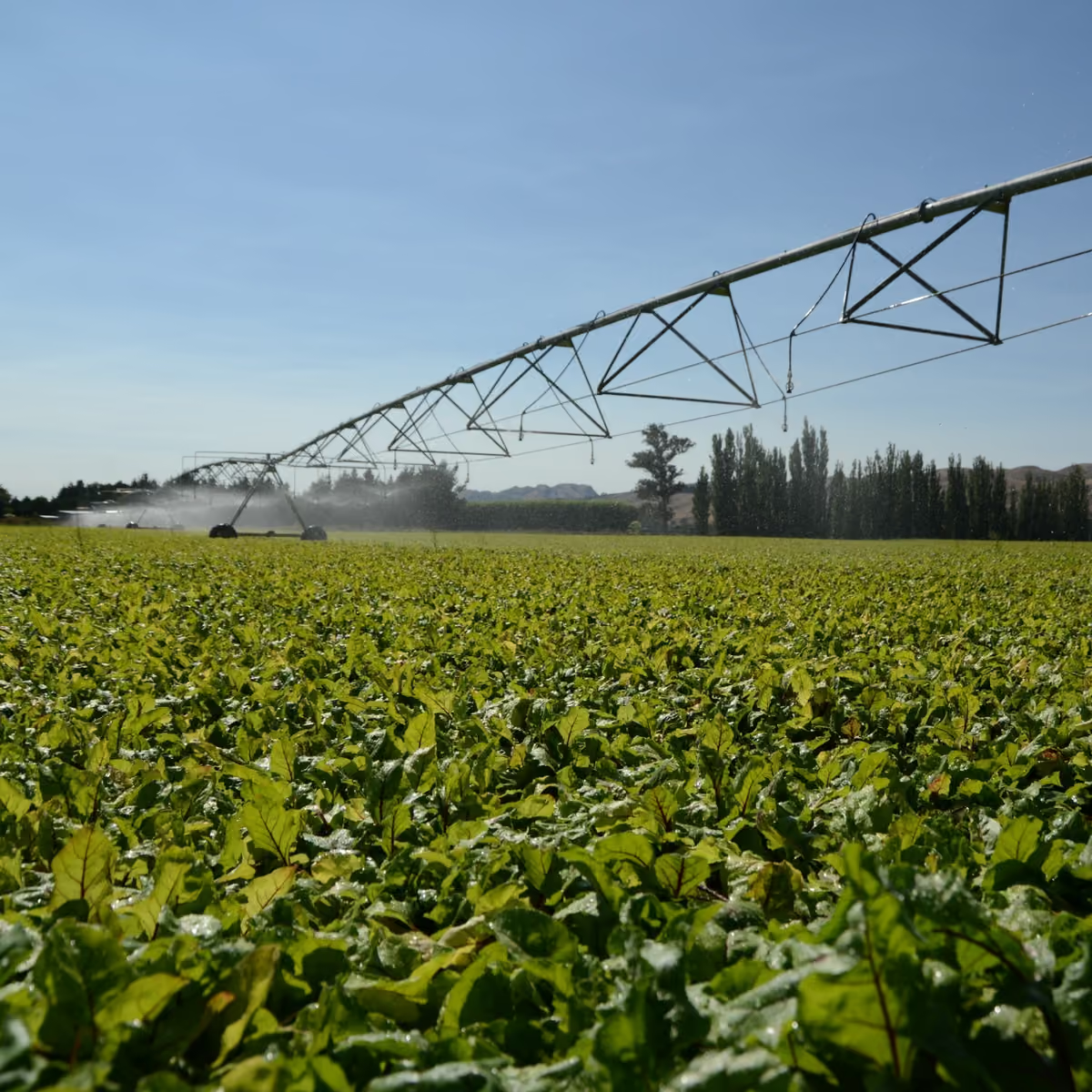
A centre pivot is a major farm-system investment, and its performance is decided long before the first span goes up: in the land assessment, the hydraulic design and the pumping infrastructure behind it. WaterForce designs, installs and services pivot developments as one system, machine and water infrastructure engineered to the same target, with local support once it's running. Every project starts with the block. If a pivot isn't the right fit, we'll explain why and compare the alternatives before you commit.
.avif)
Machine, pumping, mainline, power and controls designed together, so water arrives at the sprinklers as intended.
Pivot, linear, towable or fixed: we assess what actually fits the land and water before specifying anything.
Structural, hydraulic, electrical and control work commissioned properly, with operators trained on the result.
Planned maintenance, parts and fault finding through WaterForce branches across New Zealand.
A pivot rotates around a fixed point, applying water through sprinklers along its spans. It suits blocks where the area, terrain and operation work with circular coverage, and where water and power can support the required application. Corners, obstacles, slopes, soil intake and wind all affect the answer, which is why every project starts with a site assessment comparing the pivot against linear, towable and fixed alternatives.

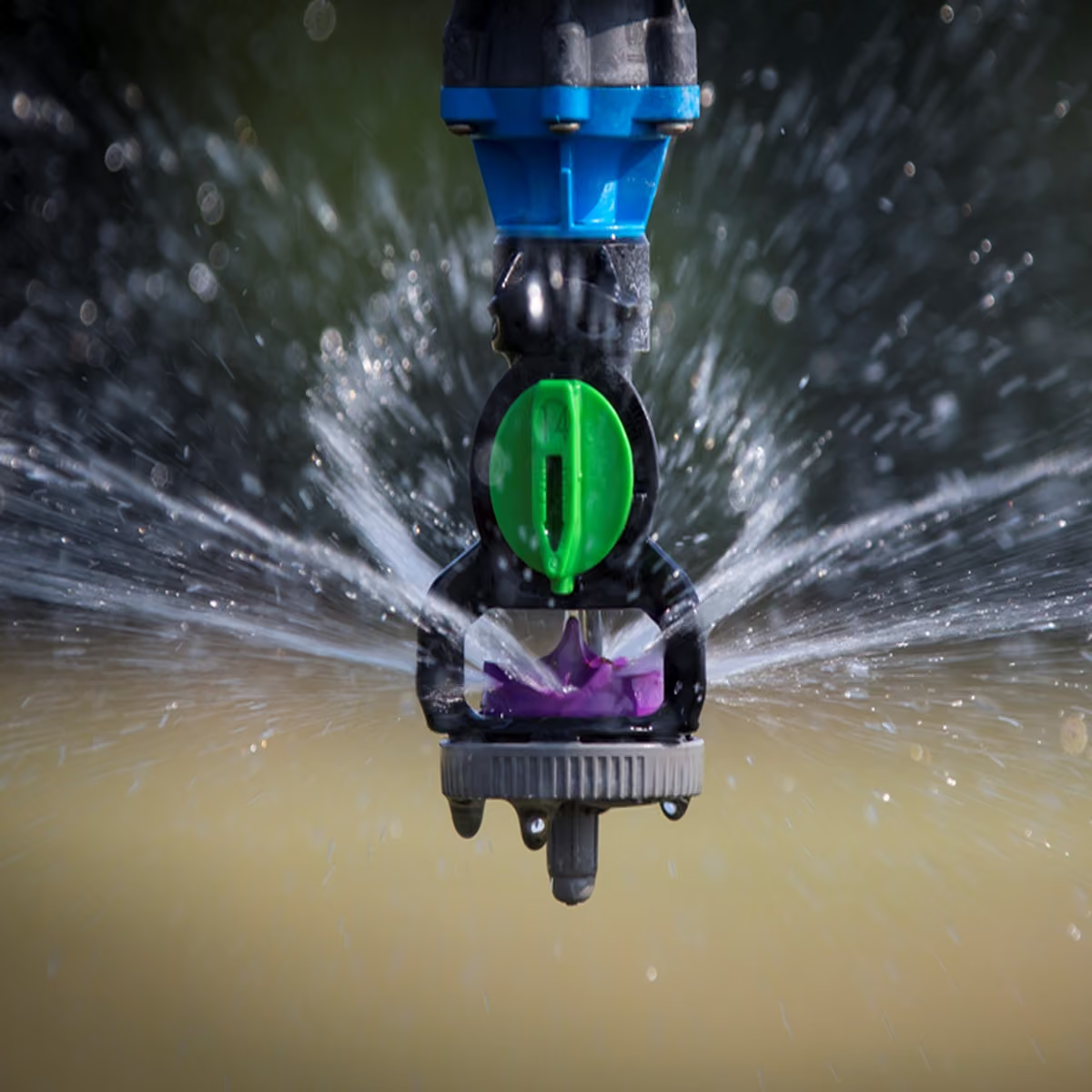
A sound pivot design works from the block's actual numbers: area, boundaries, contours and obstacles; crop and application objective; soil and drainage; water source, allocation and seasonal reliability; pumping head, pipe routes and power; and any existing infrastructure worth reusing. If existing pumps or pipelines are being retained, we test their actual condition and performance rather than assuming it. The result is a machine and a hydraulic system developed against the same operating target, including energy use, measurement, controls and service access.
.avif)
Controls can deliver scheduling, position awareness, status alerts and more targeted application. Variable-rate irrigation adjusts application across mapped management zones where the equipment, mapping and agronomic objective support it. We design the technology around a clear use case and the system's real hydraulic capability.

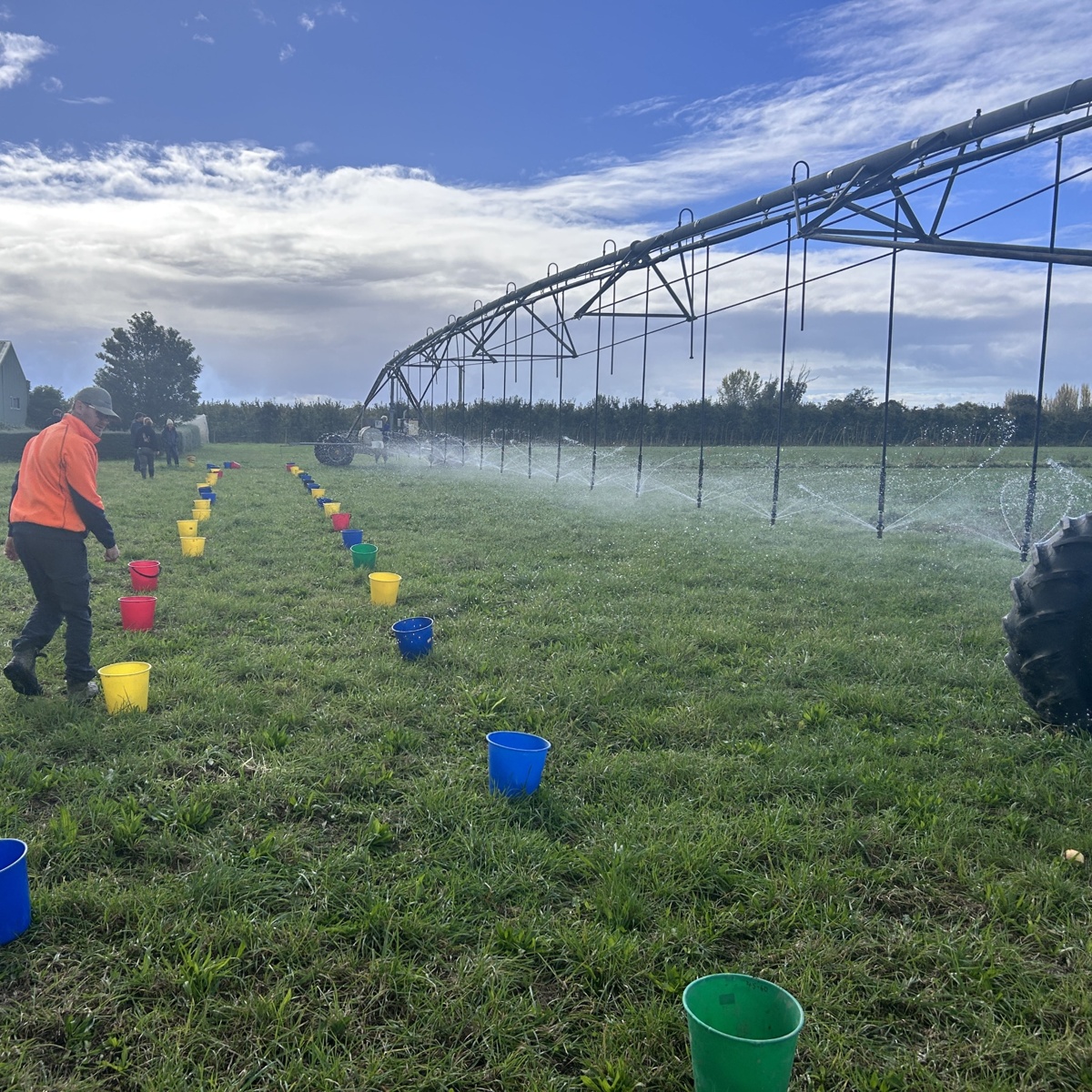
Commissioning confirms direction, speed, sprinkler performance, pressure and safety functions, and leaves your operators knowing how to run and monitor the machine. From there, whole-of-life servicing covers the drives, tyres, sprinklers, regulators, pipework and controls that work hard in the open all season.

The irrigator rotates around a fixed centre point while sprinklers apply water along its spans. Drive speed, sprinkler package, pressure and flow set the application.
Blocks whose shape, terrain, soil and access work with circular coverage, backed by adequate water and power. A site review assesses those conditions.
It's specific to the machine, sprinkler package, application and terrain, and it's calculated in the hydraulic design rather than estimated.
From the irrigated area, boundaries, application objective, water availability and the supporting infrastructure, all worked through in design.
VRI adjusts application across mapped areas of a field. It needs compatible equipment, controls and a clear management purpose to pay its way.
Often, across controls, monitoring, pumping, sprinklers or components. We assess the machine's condition and hydraulics to determine which upgrades are suitable and which components need replacing.
Yes. We start with an assessment of the machine, controls and the water system feeding it.
Pivots suit circular coverage; linears suit rectangular areas; towables offer flexibility across blocks. The comparison depends on land, water, labour and whole-of-life cost, and it's part of our assessment.
Property plan, irrigable area, water source or allocation, available flow and pressure, power details, land-use plan and known obstacles. That's enough for a first assessment.
A planned seasonal inspection programme covering drives, sprinklers, structure, electrical and controls. Your local team will scope it for the specific machine.
WaterForce has serviced New Zealand's agriculture sector for more than twenty years. Bring your property plan and water details to your local team and get a straight assessment of whether a pivot fits and what it takes to do it properly.